Best Time to See the Milky Way in Colorado
Colorado is one of the best states in America for Milky Way viewing thanks to its high elevations, dry climate, […]
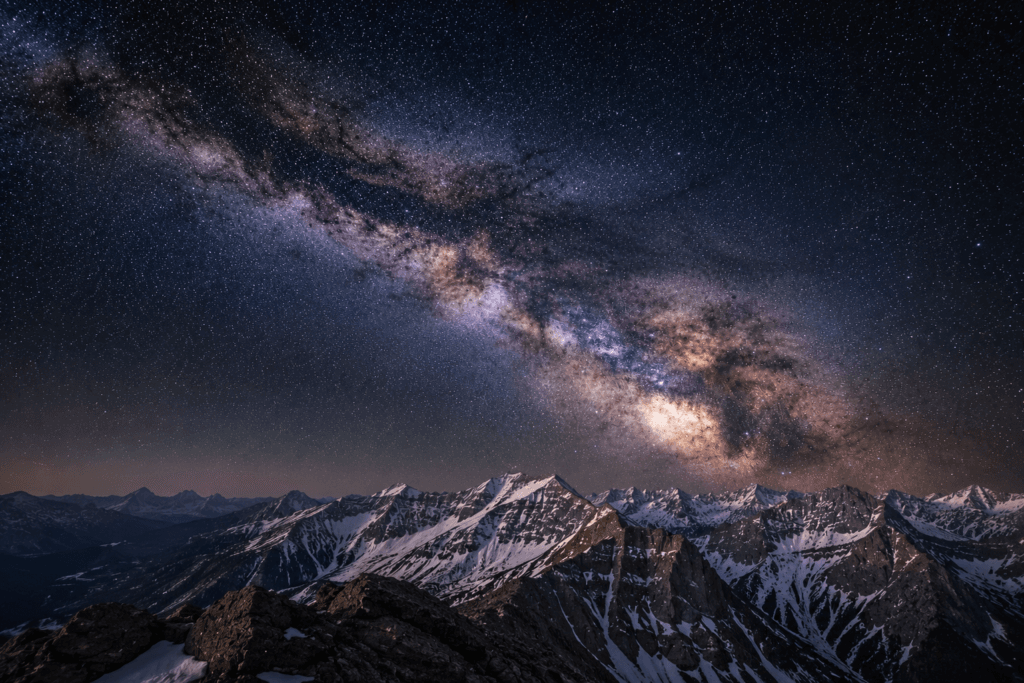
Colorado is one of the best states in America for Milky Way viewing thanks to its high elevations, dry climate, mountain landscapes, and large areas of protected public land. Whether you’re visiting Rocky Mountain National Park, Great Sand Dunes National Park, Black Canyon of the Gunnison, or a remote alpine valley, Colorado offers outstanding opportunities to experience dark skies and the Milky Way.
The best time to see the Milky Way in Colorado is generally from April through September, with peak viewing conditions often occurring between May and August. During these months, the galactic core becomes visible for longer periods and rises higher above the horizon.
For a nationwide overview of visibility throughout the year, start with our Milky Way Viewing Calendar USA. This guide focuses specifically on Colorado conditions, locations, and planning strategies.
Quick Answer: When Is the Best Time to See the Milky Way in Colorado?
The best time to see the Milky Way in Colorado is during moonless nights between May and August. These months typically provide the strongest galactic core visibility and the most favorable combination of weather and darkness.
September can also be excellent because the Milky Way becomes visible earlier in the evening. April serves as a strong early-season option, especially in southern Colorado and lower-elevation regions.
When Is Milky Way Season in Colorado?
Milky Way season in Colorado generally begins in late February and extends through October. During late winter, the galactic core appears before dawn. As spring arrives, visibility improves dramatically and continues through the summer months.
June, July, and August provide the longest viewing windows. September remains popular because of cooler temperatures and reduced summer crowds in many locations.
While portions of the Milky Way remain visible year-round, the bright galactic core that most stargazers and photographers seek is primarily a spring, summer, and early fall attraction.
Colorado Milky Way Calendar by Month
| Month | Milky Way Visibility | Best Use |
|---|---|---|
| January | Limited | Winter stargazing and constellations |
| February | Early morning visibility begins | Pre-dawn viewing opportunities |
| March | Improving | Early-season Milky Way trips |
| April | Good | Strong start to Milky Way season |
| May | Very Good | Excellent viewing conditions |
| June | Excellent | Peak season begins |
| July | Excellent | Outstanding visibility |
| August | Excellent | Peak viewing and photography |
| September | Very Good | Earlier evening visibility |
| October | Moderate | Late-season opportunities |
| November | Limited | Milky Way core fades |
| December | Limited | Winter sky observation |
Best Regions in Colorado for Milky Way Viewing
Rocky Mountains Region
The Rocky Mountains provide some of Colorado’s most spectacular night sky experiences. High elevations, dramatic mountain scenery, and reduced atmospheric interference often create excellent viewing conditions.
Southern Colorado
Southern Colorado offers vast dark sky areas, particularly around Great Sand Dunes National Park and the San Luis Valley. These locations often provide exceptional visibility and wide-open horizons.
Western Colorado
Western Colorado contains some of the state’s darkest skies. Remote mountain valleys and canyon landscapes create outstanding opportunities for Milky Way observation and photography.
Best Places to See the Milky Way in Colorado
Great Sand Dunes National Park
Great Sand Dunes National Park is one of Colorado’s premier dark sky destinations. Massive sand dunes combined with dark skies create unforgettable Milky Way photography opportunities.
Black Canyon of the Gunnison National Park
Black Canyon offers exceptionally dark skies and dramatic canyon scenery. The park is widely regarded as one of the best places in Colorado for astronomy enthusiasts.
Rocky Mountain National Park
Rocky Mountain National Park provides spectacular alpine scenery beneath dark skies. Higher elevations can improve visibility while creating dramatic foreground compositions.
Curecanti National Recreation Area
This lesser-known destination offers excellent night sky opportunities with fewer crowds than some of Colorado’s major national parks.
San Juan Mountains
The San Juan Mountains contain some of the most photogenic landscapes in Colorado. Remote valleys and mountain passes can provide extraordinary Milky Way experiences.
How Elevation Improves Night Sky Visibility
One of Colorado’s greatest advantages is elevation. Higher elevations often reduce the amount of atmosphere between the observer and the stars, improving clarity and contrast.
Mountain locations can also place viewers above haze and lower-level moisture, producing sharper night sky conditions than lower-elevation destinations.
This advantage is one reason Colorado remains a favorite destination among astrophotographers.
How Moon Phases Affect Milky Way Visibility
Even Colorado’s darkest mountain skies can be impacted by moonlight. A bright moon reduces contrast and makes the Milky Way more difficult to see.
The best viewing opportunities generally occur during the new moon or within a few nights before and after it. Always check lunar conditions before finalizing travel plans.
Colorado Weather and Sky Conditions
Colorado’s weather can change rapidly, especially in mountain regions. Summer often provides excellent Milky Way visibility, but afternoon thunderstorms can occasionally affect viewing plans.
Spring and fall often provide excellent conditions, though temperatures may drop significantly after sunset. High-elevation locations can become surprisingly cold even during summer.
Always check weather forecasts and prepare for changing conditions.
Milky Way Photography Tips for Colorado
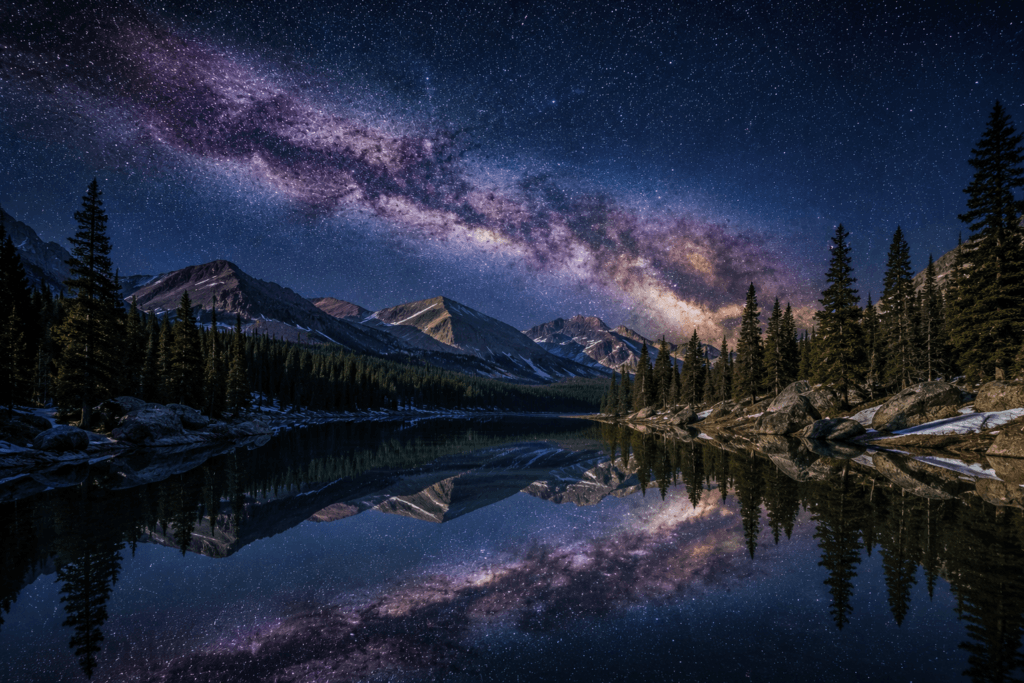
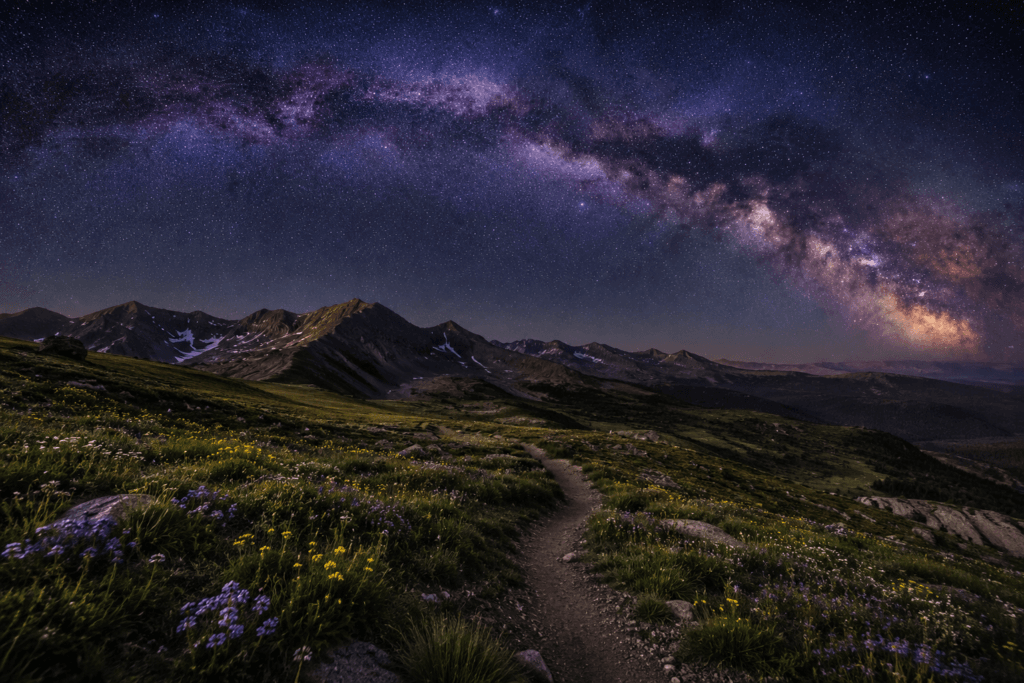
Colorado offers some of the most diverse astrophotography opportunities in America. Mountain peaks, alpine lakes, wildflower meadows, sand dunes, and canyon landscapes create outstanding foreground subjects.
Arrive before sunset to scout locations and plan compositions. Use a tripod, wide-angle lens, and manual focus to maximize image quality.
Reflections in alpine lakes can create particularly striking Milky Way images when conditions are calm.
If you are new to night sky photography, visit our Astrophotography section for beginner-friendly guidance and equipment recommendations.
Planning a Milky Way Trip in Colorado
Start by selecting a month between April and September. Next, identify a new moon period and then choose a location that matches your travel goals.
Bring warm clothing, extra layers, navigation tools, and a red-light flashlight. Colorado’s mountain weather can change quickly after dark.
If you’re comparing destinations across the western United States, you may also enjoy our guides covering Arizona, Utah, and Texas.
For more destination research, browse our Stargazing Locations guides and explore protected Dark Sky Parks.
Frequently Asked Questions
What is the best month to see the Milky Way in Colorado?
June, July, and August are generally considered the strongest months, although May and September can also provide excellent viewing conditions.
Is Rocky Mountain National Park good for Milky Way viewing?
Yes. Rocky Mountain National Park offers excellent dark sky opportunities and spectacular mountain scenery.
Can you see the Milky Way from Great Sand Dunes National Park?
Yes. Great Sand Dunes is one of Colorado’s premier Milky Way destinations.
Do you need a telescope to see the Milky Way?
No. The Milky Way is best viewed with the naked eye from a dark location.
What moon phase is best for Milky Way viewing?
New moon periods generally provide the darkest skies and strongest visibility.
Why is Colorado good for stargazing?
Colorado combines high elevations, dark skies, dry air, and dramatic landscapes, making it one of America’s top stargazing destinations.
Can beginners see the Milky Way in Colorado?
Yes. Colorado offers many beginner-friendly locations with excellent dark sky conditions.
What is the darkest place in Colorado?
Black Canyon of the Gunnison and parts of the San Luis Valley are often considered among the darkest locations in the state.
Plan your trip within five nights of the new moon and choose Bortle 1–3 locations for the best Milky Way visibility.