Best Time to See the Milky Way in Texas
Texas is home to some of the darkest skies in the continental United States, making it one of the best […]
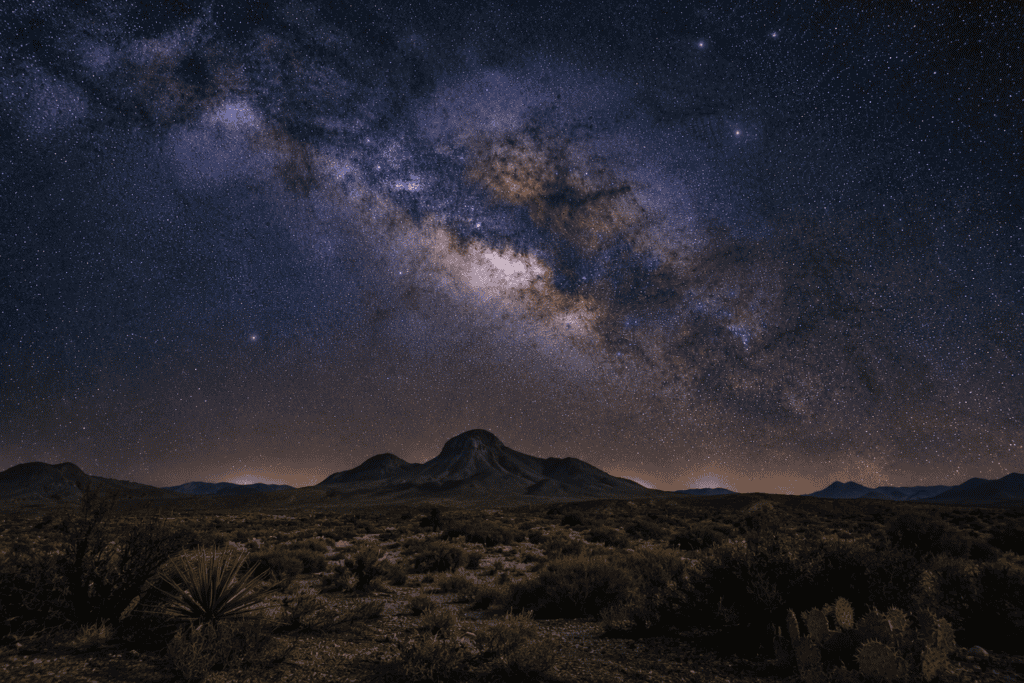
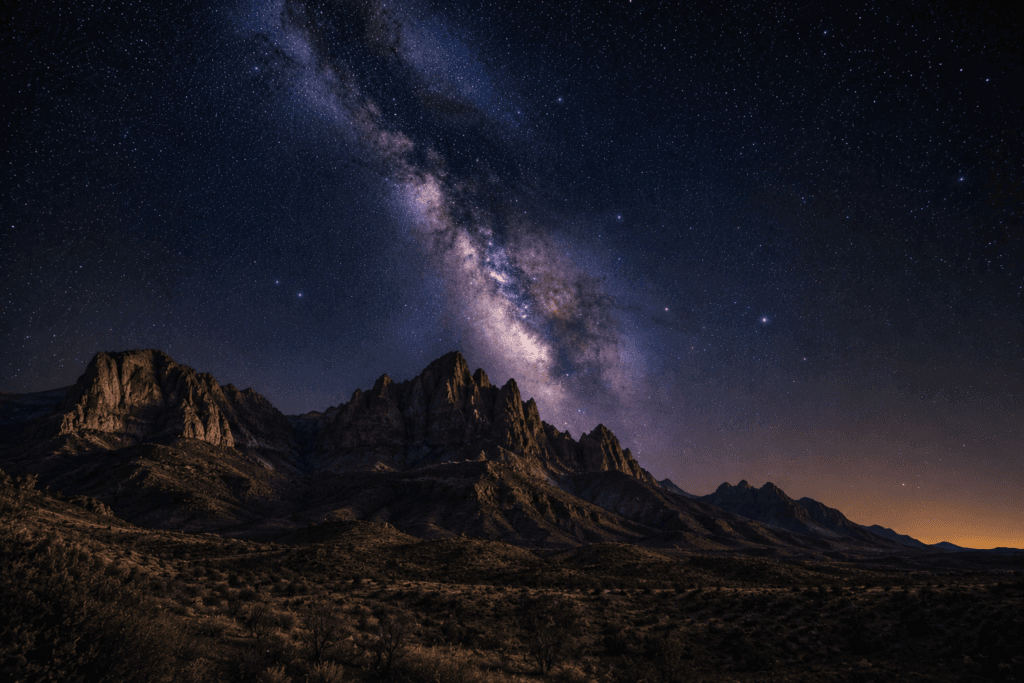
Texas is home to some of the darkest skies in the continental United States, making it one of the best places to experience the Milky Way. From the remote desert landscapes of Big Bend to the mountain peaks of West Texas, the state offers exceptional opportunities for stargazing and astrophotography throughout much of the year.
The best time to see the Milky Way in Texas is generally from April through September, with peak conditions often occurring between May and August. During this period, the bright galactic core becomes visible for longer periods and can be observed from many of the state’s most famous dark sky destinations.
For a broader nationwide overview, start with our Milky Way Viewing Calendar USA. This guide focuses specifically on Texas conditions, locations, weather patterns, and planning considerations.
Quick Answer: When Is the Best Time to See the Milky Way in Texas?
The best time to see the Milky Way in Texas is during moonless nights between May and August. These months provide the strongest combination of galactic core visibility, dark skies, and favorable weather conditions across much of the state.
September can also be excellent because the Milky Way becomes visible earlier in the evening. April serves as a strong early-season option, especially in West Texas where dark skies and dry conditions create ideal viewing opportunities.
When Is Milky Way Season in Texas?
Milky Way season in Texas typically begins in late February and continues into October. During late winter, the galactic core becomes visible before dawn. As spring progresses, viewing windows become longer and more convenient.
By May, the Milky Way becomes one of the dominant features of the night sky. June, July, and August provide the longest visibility periods, while September remains a favorite among experienced stargazers because of cooler temperatures and earlier evening viewing opportunities.
Although portions of the Milky Way remain visible throughout the year, the bright galactic core most people want to see is primarily visible during spring, summer, and early fall.
Texas Milky Way Calendar by Month
| Month | Milky Way Visibility | Best Use |
|---|---|---|
| January | Limited | Winter stargazing and constellations |
| February | Early morning visibility begins | Pre-dawn observation opportunities |
| March | Improving | Early Milky Way season |
| April | Good | Strong start for Milky Way trips |
| May | Very Good | Excellent viewing and photography |
| June | Excellent | Peak Milky Way season |
| July | Excellent | Outstanding visibility |
| August | Excellent | Peak viewing conditions |
| September | Very Good | Earlier evening visibility |
| October | Moderate | Late-season opportunities |
| November | Limited | Milky Way core fades |
| December | Limited | Winter night sky observation |
Best Regions in Texas for Milky Way Viewing
West Texas
West Texas is widely considered the premier stargazing region in the state. Low population density, dry air, high elevations, and vast open landscapes combine to create exceptional viewing conditions.
Many of Texas’s darkest skies are found in this region, making it the first choice for serious stargazers and astrophotographers.
Big Bend Region
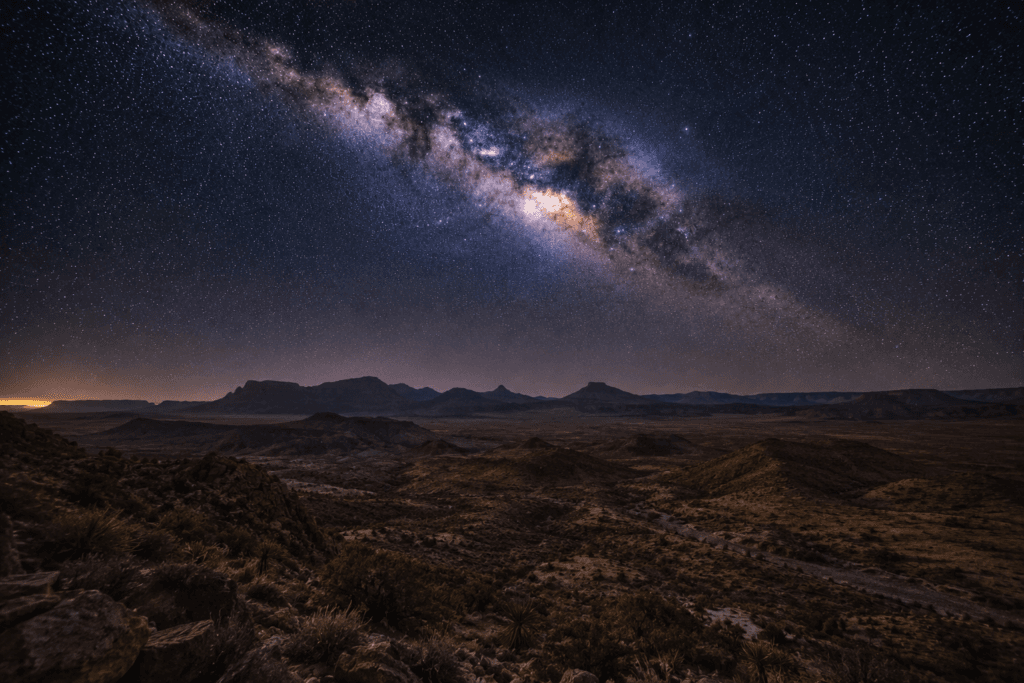
The Big Bend region is often considered the crown jewel of Texas stargazing. The combination of remote desert landscapes and minimal light pollution allows the Milky Way to appear remarkably bright during peak season.
This region attracts visitors from across the country who want to experience truly dark skies.
Davis Mountains
The Davis Mountains offer higher elevations and excellent sky quality. The area around McDonald Observatory has become one of the most respected astronomy destinations in Texas.
Mountain scenery also creates dramatic foreground opportunities for night photography.
Texas Hill Country
While not as dark as West Texas, portions of the Hill Country can still provide rewarding Milky Way viewing opportunities, especially when visitors travel away from larger population centers.
Best Places to See the Milky Way in Texas
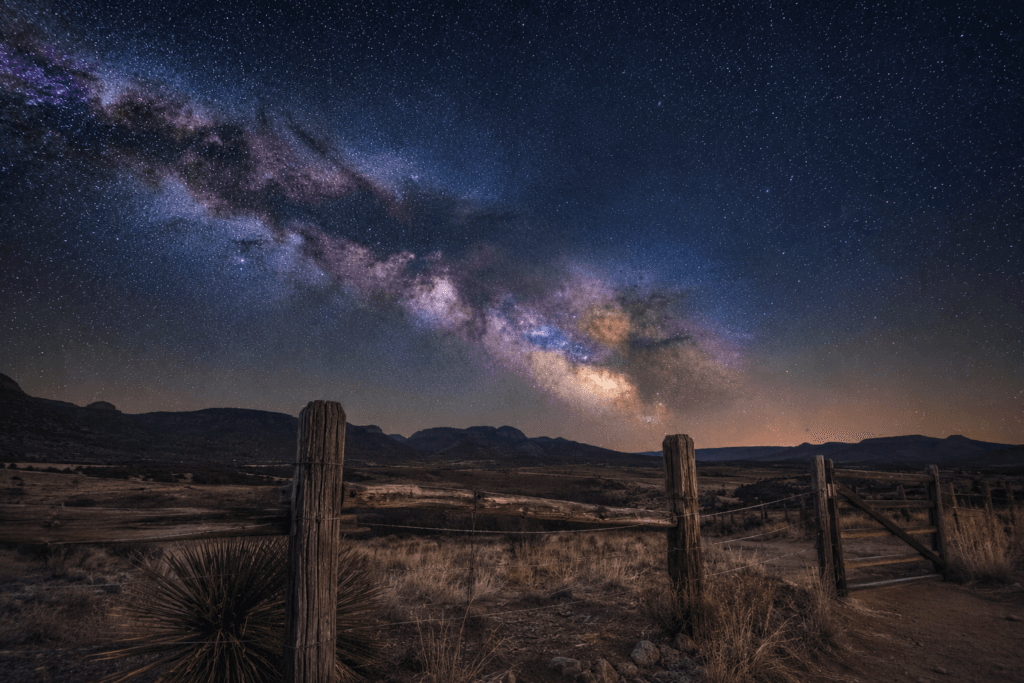
Big Bend National Park
Big Bend National Park consistently ranks among the best stargazing destinations in North America. Its remote location and exceptionally dark skies create extraordinary Milky Way viewing opportunities.
Many visitors consider Big Bend the single best place in Texas to experience the night sky.
Big Bend Ranch State Park
Located adjacent to Big Bend National Park, this state park offers similarly dark conditions with fewer visitors in some areas. The remote desert landscape provides excellent opportunities for photography and observation.
McDonald Observatory
McDonald Observatory sits within one of the darkest regions of Texas and remains a major astronomy destination. The surrounding landscapes offer excellent opportunities for independent stargazing as well.
Davis Mountains State Park
Davis Mountains State Park combines elevated viewpoints, dark skies, and convenient access to astronomy-focused attractions throughout the region.
Guadalupe Mountains National Park
Guadalupe Mountains National Park provides high-elevation dark sky opportunities and dramatic mountain scenery that pairs beautifully with Milky Way photography.
Black Gap Wildlife Management Area
This remote region offers some of the darkest skies available in Texas and remains a favorite among experienced stargazers seeking minimal light pollution.
Why West Texas Has Some of the Darkest Skies in America
West Texas benefits from several factors that make it exceptional for night sky observation. Population density is extremely low across large areas, reducing artificial light pollution. The dry climate often produces clear skies, while higher elevations help improve atmospheric transparency.
The region also contains significant amounts of protected public land and open desert terrain, allowing visitors to find locations far from major sources of artificial light.
These conditions combine to create some of the darkest skies in the lower 48 states.
How Moon Phases Affect Milky Way Visibility
Moonlight can dramatically affect Milky Way visibility, even in remote parts of Texas. A bright moon reduces contrast and can wash out much of the detail visible within the Milky Way.
The best viewing opportunities usually occur during the new moon or within a few nights before and after it. Dark skies allow the galactic core to stand out clearly and reveal far more detail.
Before booking accommodations or driving long distances, always check lunar conditions.
Texas Weather and Sky Conditions
Weather varies significantly across Texas because of the state’s size. West Texas generally offers the most reliable dark sky conditions thanks to its dry climate and lower humidity.
Summer can provide excellent Milky Way visibility but may also bring thunderstorms in some areas. Spring and fall often deliver comfortable temperatures and clear skies, making them popular seasons for stargazing trips.
Always check forecasts before departure and prepare for significant temperature changes after sunset.
Milky Way Photography Tips for Texas
Texas offers outstanding opportunities for Milky Way photography. Desert mountains, open plains, ranch landscapes, and dramatic horizons create excellent foreground elements.
Arrive before sunset to scout compositions and safely navigate remote locations. A tripod, wide-angle lens, and manual focus are essential tools for successful night photography.
Many photographers prefer West Texas because the landscape naturally complements wide Milky Way compositions.
If you are new to night sky photography, visit our Astrophotography section for equipment recommendations and beginner-friendly techniques.
Planning a Milky Way Trip in Texas
The most successful Texas stargazing trips begin with timing. First choose a month between April and September, then identify a new moon period, and finally select a destination.
Bring plenty of water, warm layers, navigation tools, and a red-light flashlight. Many of Texas’s best stargazing destinations are remote and require careful preparation.
If you’re comparing destinations across the Southwest, consider our guides to Best Time to See the Milky Way in Arizona and Best Time to See the Milky Way in Utah.
For additional destination research, browse our Stargazing Locations guides or explore protected Dark Sky Parks throughout the United States.
Frequently Asked Questions
What is the best month to see the Milky Way in Texas?
June, July, and August are generally considered the strongest months, although May and September can also provide excellent conditions.
Is Big Bend good for Milky Way viewing?
Yes. Big Bend National Park is widely regarded as one of the best Milky Way destinations in North America.
Can you see the Milky Way without a telescope?
Yes. The Milky Way is best viewed with the naked eye from a dark location.
What moon phase is best for Milky Way viewing?
New moon periods generally provide the darkest skies and strongest visibility.
Where are the darkest skies in Texas?
Many of the darkest skies are found in West Texas, particularly around Big Bend and the Davis Mountains.
Is Texas better than Utah for Milky Way viewing?
Both states are excellent. Texas offers vast desert landscapes and some of the darkest skies in the country, while Utah provides iconic red rock scenery and nationally recognized dark sky destinations.
Can beginners see the Milky Way in Texas?
Yes. Texas has numerous beginner-friendly dark sky destinations that make Milky Way viewing accessible even for first-time stargazers.
What is the best place in Texas to see the Milky Way?
Big Bend National Park is often considered the top destination for Milky Way viewing in Texas.
Plan your trip within five nights of the new moon and choose Bortle 1–3 locations for the best Milky Way visibility.