Cedar Breaks National Monument Stargazing Guide
Cedar Breaks National Monument is one of the highest and darkest astronomy destinations in the American Southwest. Located in southern […]
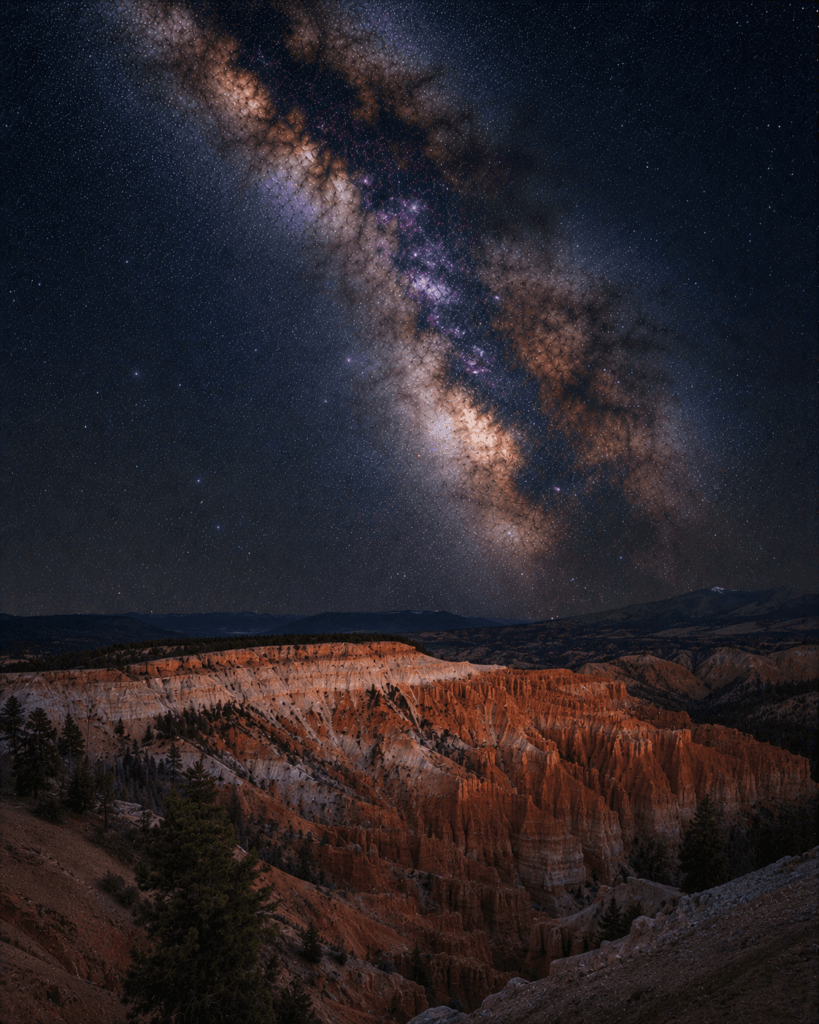
Cedar Breaks National Monument is one of the highest and darkest astronomy destinations in the American Southwest. Located in southern Utah at elevations exceeding 10,000 feet, the monument offers extraordinary views of the night sky above a dramatic natural amphitheater filled with colorful rock formations.
Recognized as an International Dark Sky Park, Cedar Breaks attracts astronomers, astrophotographers, and travelers seeking some of the best Milky Way viewing conditions in the United States. The combination of high elevation, dry mountain air, and minimal light pollution creates exceptional observing opportunities throughout much of the year.
For visitors looking for pristine dark skies and spectacular scenery, Cedar Breaks is one of Utah’s hidden astronomy gems.
Why Cedar Breaks National Monument Is Great for Stargazing
Cedar Breaks benefits from several natural advantages that make it ideal for astronomy.
- International Dark Sky Park designation
- Elevation above 10,000 feet
- Minimal light pollution
- Dry mountain atmosphere
- Outstanding Milky Way visibility
- Excellent atmospheric transparency
The monument’s high elevation places observers above much of the atmospheric haze that can affect lower-altitude viewing locations.
Visitors interested in similar destinations can also explore other Dark Sky Parks throughout the United States.
Best Time to Visit Cedar Breaks for Stargazing
Spring
Spring brings the beginning of Milky Way season, although snow can remain at higher elevations.
Summer
Summer is peak astronomy season. Comfortable temperatures and excellent visibility make this the most popular time for stargazing.
Travelers planning a Utah astronomy trip should review our Best Time to See the Milky Way in Utah guide.
Fall
Fall offers crisp mountain air, exceptional visibility, and fewer visitors than summer.
Winter
Winter provides extremely dark skies and long nights, though access may be limited by heavy snowfall.
Best Stargazing Locations in Cedar Breaks National Monument
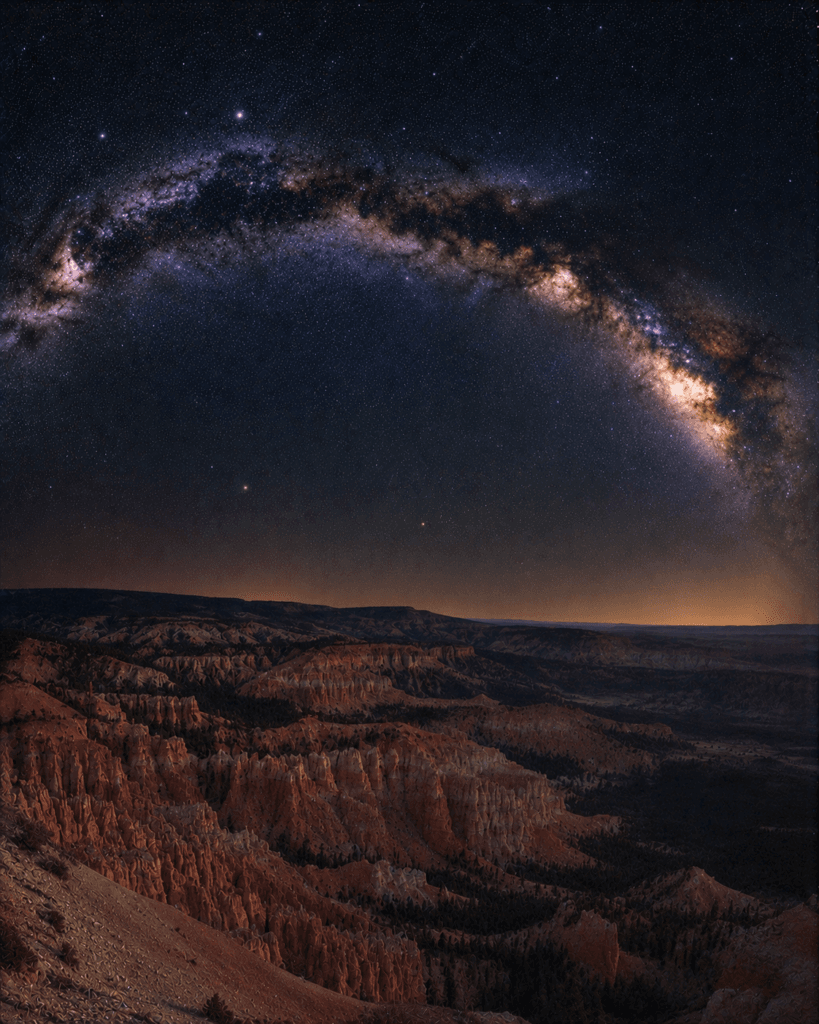
Point Supreme Overlook
Point Supreme is the monument’s most famous viewpoint and offers breathtaking night sky panoramas above the amphitheater.
Sunset View Overlook
This overlook provides expansive western views and excellent opportunities for astrophotography.
Chessmen Ridge Overlook
Chessmen Ridge offers unique rock formations that create dramatic foregrounds beneath the stars.
Alpine Pond Area
The Alpine Pond region provides darker conditions away from the main visitor areas.
Milky Way Viewing at Cedar Breaks
Cedar Breaks National Monument is one of Utah’s premier Milky Way destinations. The viewing season generally runs from March through October, with peak visibility occurring between May and August.
Moonless nights reveal extraordinary detail within the galactic core thanks to the monument’s altitude and dark skies.
For annual planning, review our Milky Way Viewing Calendar USA.
Astrophotography Opportunities
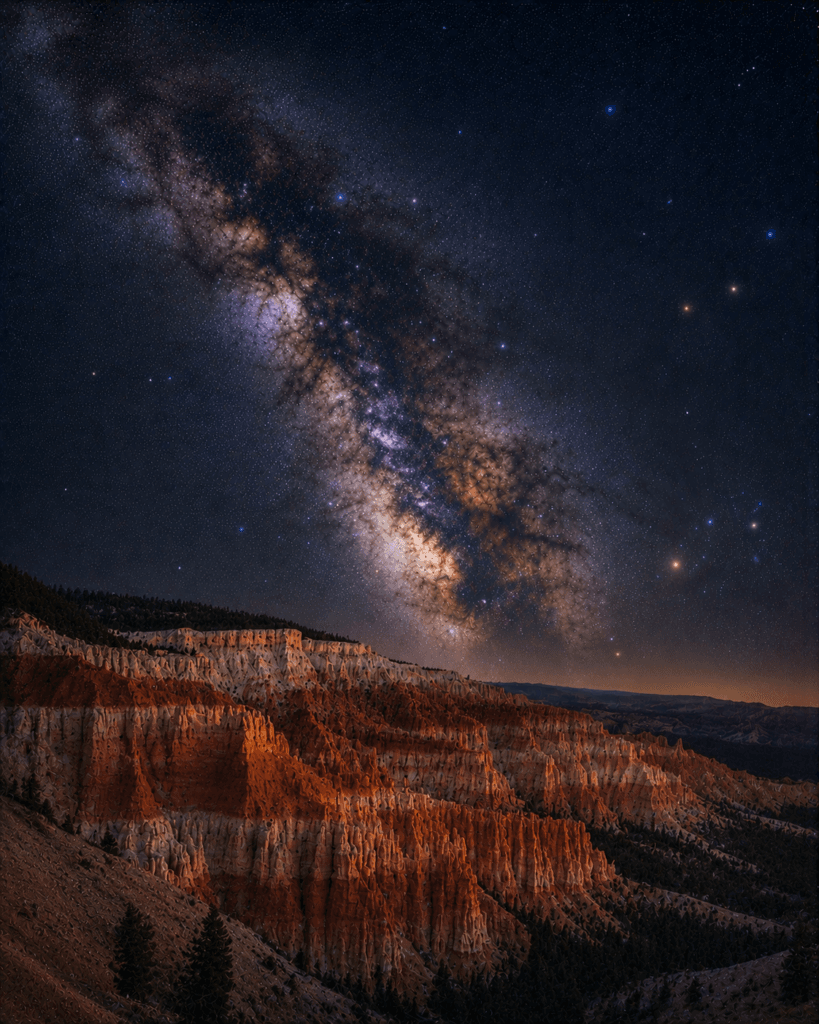
Cedar Breaks offers world-class opportunities for night photography.
- Milky Way above the amphitheater
- Star trails over red rock formations
- High-elevation night panoramas
- Meteor shower photography
- Dark sky landscape photography
The monument’s colorful geology creates striking contrast against dense star fields and the Milky Way.
Additional photography techniques can be found in our Astrophotography category.
Meteor Shower Viewing
Cedar Breaks provides exceptional visibility during major annual meteor showers.
- Perseids
- Geminids
- Orionids
- Leonids
The high elevation and dark skies help maximize meteor visibility during peak events.
Peak dates and forecasts are available in our Meteor Showers section.
Stargazing Tips
- Dress warmly after sunset
- Prepare for altitude effects
- Use red-light flashlights
- Check moon phases before visiting
- Carry extra camera batteries
- Allow time for dark adaptation
Even during summer, nighttime temperatures can become surprisingly cold due to the monument’s high elevation.
Is Cedar Breaks National Monument Worth Visiting?
Absolutely. Cedar Breaks National Monument combines pristine dark skies, high-elevation observing conditions, and spectacular scenery, making it one of the best astronomy destinations in the American Southwest.
Visitors exploring Utah astronomy destinations may also enjoy our Bryce Canyon National Park Stargazing Guide.
Frequently Asked Questions
Is Cedar Breaks an International Dark Sky Park?
Yes. Cedar Breaks National Monument is officially designated as an International Dark Sky Park.
When is the best time to see the Milky Way?
The best viewing period generally runs from May through August.
How high is Cedar Breaks National Monument?
The monument sits at elevations exceeding 10,000 feet above sea level.
What is the best stargazing location?
Point Supreme Overlook and Chessmen Ridge Overlook are among the monument’s top astronomy locations.
Plan your trip within five nights of the new moon and choose Bortle 1–3 locations for the best Milky Way visibility.