Bryce Canyon National Park Stargazing Guide
Bryce Canyon National Park is one of the most famous dark sky destinations in the United States. Located in southern […]
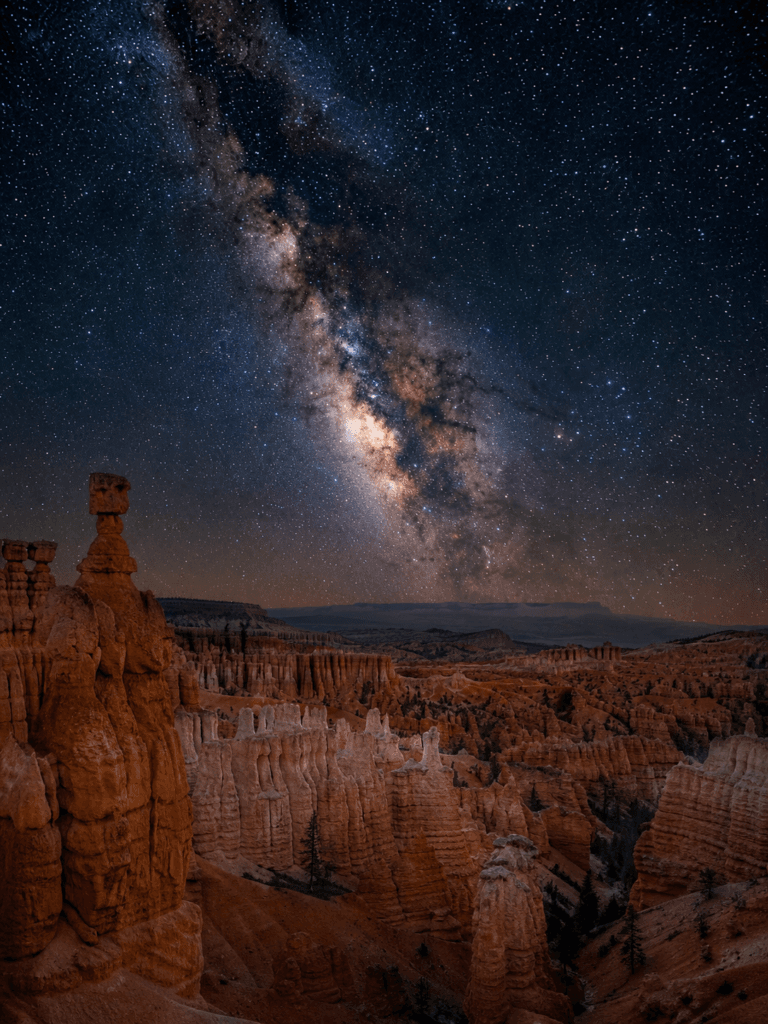
Bryce Canyon National Park is one of the most famous dark sky destinations in the United States. Located in southern Utah, the park is renowned for its dramatic hoodoo rock formations, high elevation, and exceptionally dark night skies. As an officially designated International Dark Sky Park, Bryce Canyon attracts stargazers, astrophotographers, and travelers from around the world.
Thanks to minimal light pollution and elevations exceeding 8,000 feet in many areas, visitors can experience extraordinary views of the Milky Way, planets, meteor showers, and thousands of visible stars. For anyone planning a dark sky adventure in the American Southwest, Bryce Canyon deserves a place near the top of the list.
Why Bryce Canyon Is One of America’s Best Dark Sky Parks
Several factors combine to make Bryce Canyon an exceptional astronomy destination.
- International Dark Sky Park designation
- High elevation viewpoints
- Minimal artificial light pollution
- Dry desert climate
- Wide open horizons
- Regular astronomy programs
The combination of dark skies and spectacular geological formations creates one of the most unique stargazing experiences in North America.
Travelers exploring multiple astronomy destinations throughout the Southwest may also enjoy visiting other Dark Sky Parks across the region.
Best Time to Visit Bryce Canyon for Stargazing
Spring
Spring offers comfortable temperatures and gradually improving Milky Way visibility. Visitor numbers remain lower than during peak summer months.
Summer
Summer is considered the prime stargazing season. The Milky Way core becomes highly visible, and Bryce Canyon hosts astronomy festivals and ranger-led programs throughout the season.
Visitors planning a Utah astronomy trip should also read our Best Time to See the Milky Way in Utah guide.
Fall
Autumn combines dark skies, cooler temperatures, and fewer crowds. Many photographers consider September and October ideal months for night photography.
Winter
Winter transforms Bryce Canyon into a unique landscape where snow-covered hoodoos contrast against star-filled skies. The cold temperatures are offset by excellent atmospheric clarity.
Best Stargazing Locations in Bryce Canyon National Park
Sunset Point
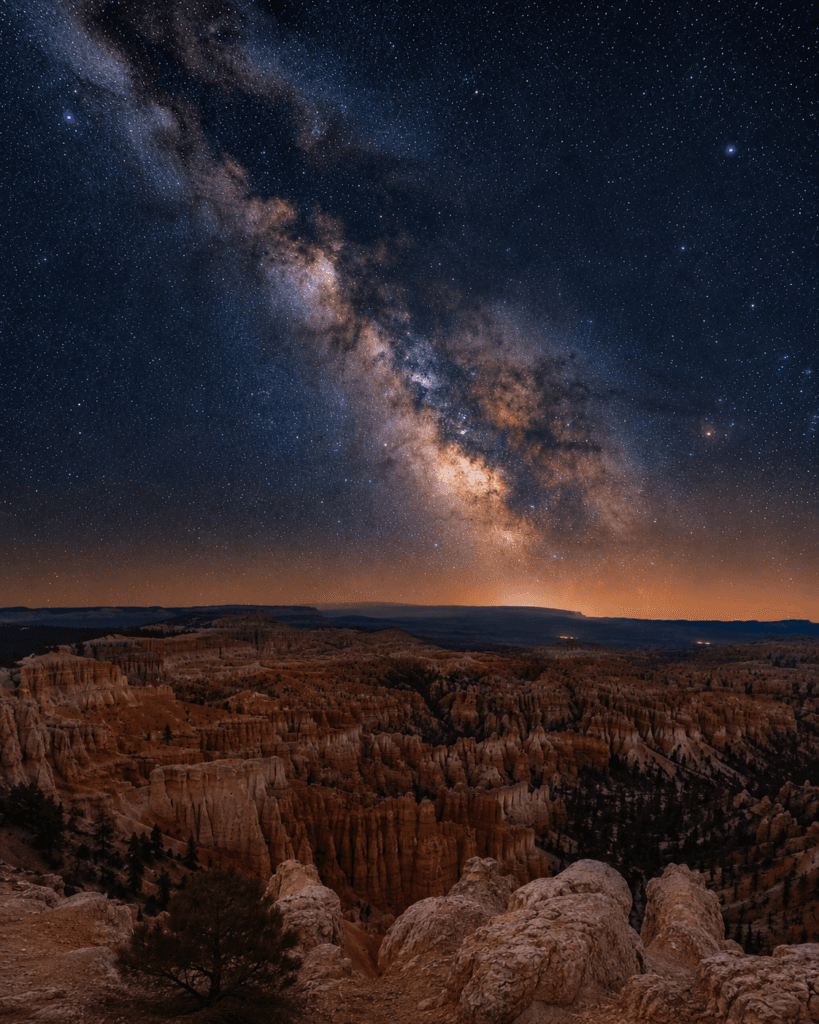
One of the most popular viewpoints in the park, Sunset Point provides excellent views of the hoodoos beneath a star-filled sky.
Inspiration Point
Inspiration Point offers elevated viewing opportunities and expansive horizons that are ideal for Milky Way photography.
Bryce Point
Bryce Point is famous for its panoramic vistas and dark southern sky, making it one of the park’s premier astronomy locations.
Rainbow Point
Located at one of the highest elevations in the park, Rainbow Point provides outstanding visibility and reduced atmospheric interference.
Milky Way Viewing at Bryce Canyon
Bryce Canyon is one of the best places in Utah to observe the Milky Way. The season generally runs from March through October, with peak visibility occurring between June and August.
During summer, the galactic core becomes highly visible shortly after darkness falls. The contrast between the bright Milky Way and Bryce Canyon’s famous hoodoo formations creates unforgettable viewing opportunities.
For annual planning, consult our Milky Way Viewing Calendar USA.
Astrophotography Opportunities
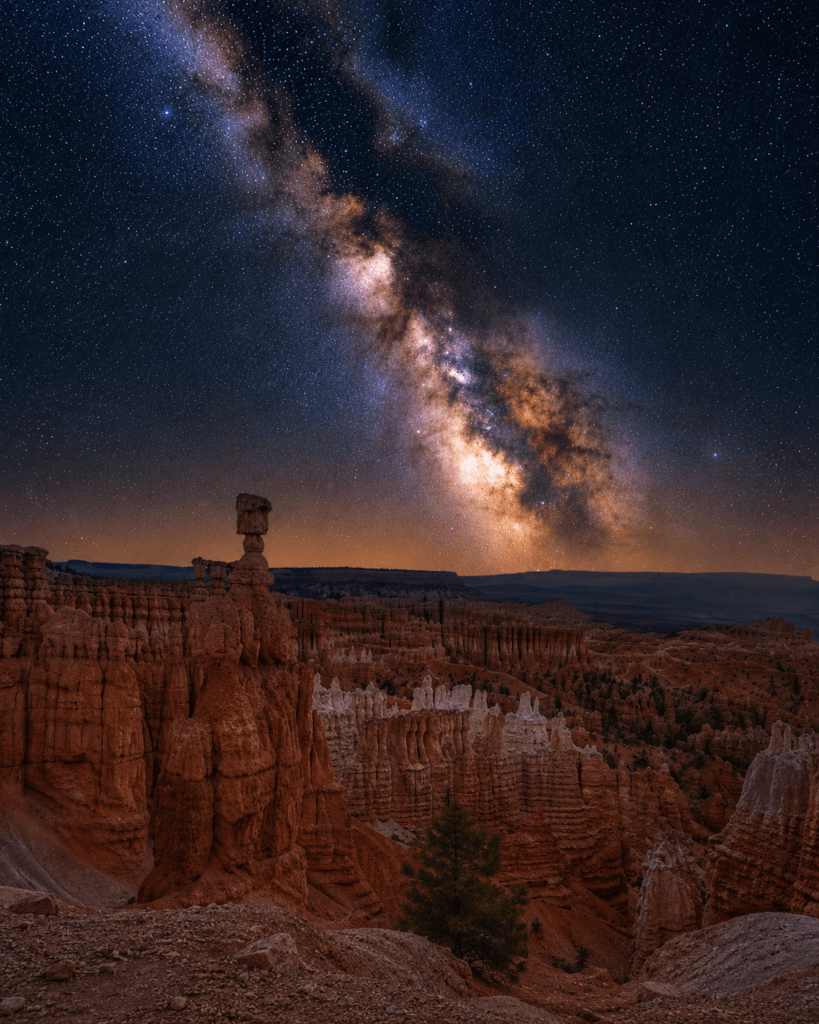
Bryce Canyon is considered one of the most photogenic dark sky parks in America.
- Milky Way above hoodoos
- Star trails over canyon formations
- Night landscapes
- Meteor showers
- Planetary conjunctions
The unique geology allows photographers to create images unlike those available anywhere else in the country.
Additional photography tips and equipment recommendations can be found in our Astrophotography category.
Meteor Shower Viewing
Low light pollution makes Bryce Canyon an excellent location for major meteor showers.
- Perseids
- Geminids
- Orionids
- Leonids
The park’s elevated viewing locations often provide exceptional meteor visibility compared to lower elevation sites.
For peak dates and annual forecasts, visit our Meteor Showers section.
Stargazing Tips
- Bring warm clothing even during summer
- Use red-light flashlights
- Arrive before sunset
- Check moon phases before visiting
- Allow your eyes to adapt to darkness
- Carry extra batteries for cameras
High elevations can create cooler temperatures than many visitors expect, even during warmer months.
Is Bryce Canyon National Park Worth Visiting?
Absolutely. Bryce Canyon National Park combines some of the darkest skies in the country with world-famous geological formations, making it one of the most rewarding astronomy destinations in North America.
Visitors planning a larger Southwest astronomy road trip may also wish to compare conditions with our Best Time to See the Milky Way in Arizona and Best Time to See the Milky Way in Nevada guides.
Frequently Asked Questions
Is Bryce Canyon an International Dark Sky Park?
Yes. Bryce Canyon National Park is officially designated as an International Dark Sky Park.
When is the best time to see the Milky Way at Bryce Canyon?
The best viewing period typically runs from June through August.
Do I need a telescope for stargazing?
No. Thousands of stars and the Milky Way are easily visible with the naked eye under clear conditions.
Which viewpoint is best for stargazing?
Sunset Point, Bryce Point, Inspiration Point, and Rainbow Point are among the park’s most popular astronomy locations.
Plan your trip within five nights of the new moon and choose Bortle 1–3 locations for the best Milky Way visibility.