Mauna Kea Stargazing Guide
Mauna Kea is widely considered one of the best stargazing locations on Earth. Rising nearly 14,000 feet above sea level […]
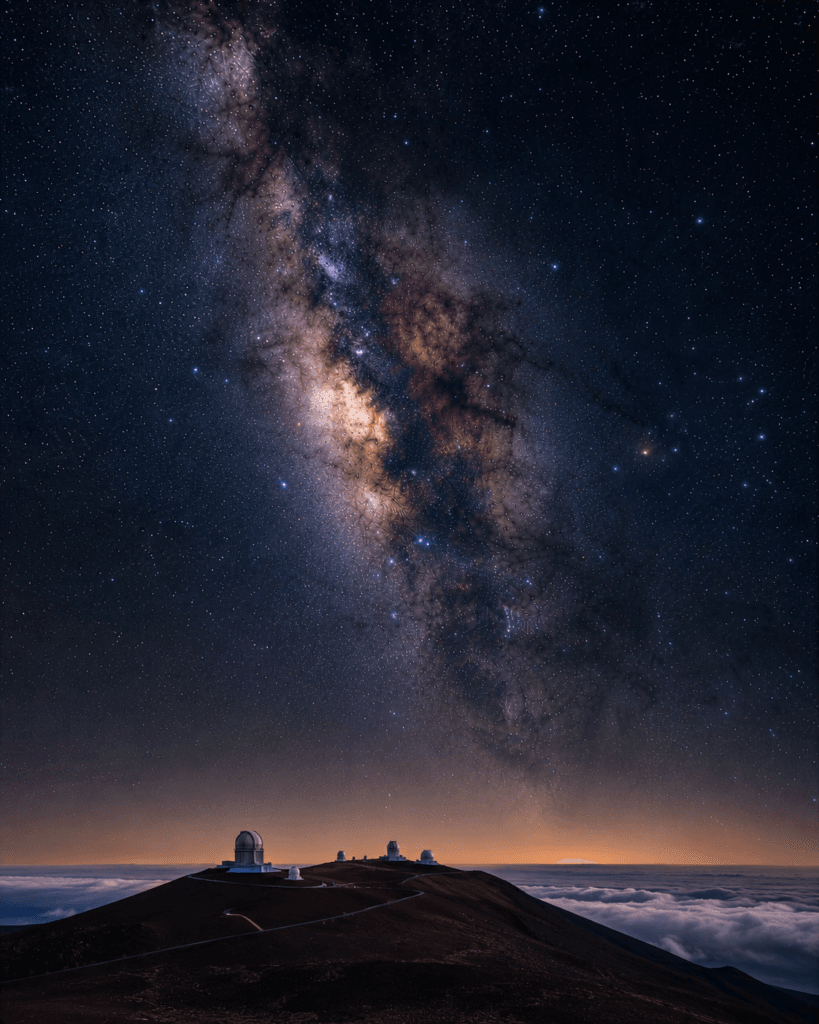
Mauna Kea is widely considered one of the best stargazing locations on Earth. Rising nearly 14,000 feet above sea level on Hawaii’s Big Island, this dormant volcano offers exceptionally dark skies, minimal atmospheric interference, and world-famous astronomical observatories.
For decades, professional astronomers have chosen Mauna Kea as one of the world’s premier observing sites. The combination of high elevation, dry air, stable weather conditions, and isolation from major urban centers creates extraordinary opportunities for observing the night sky.
Whether you’re hoping to see the Milky Way, photograph the stars, or simply experience one of the planet’s greatest astronomy destinations, Mauna Kea delivers an unforgettable experience.
Why Mauna Kea Is One of the World’s Best Stargazing Locations
Few places anywhere on Earth can match the observing conditions found on Mauna Kea.
- Nearly 14,000 feet elevation
- Exceptionally dry atmosphere
- Minimal light pollution
- Stable weather patterns
- World-famous observatories
- Outstanding Milky Way visibility
These unique conditions allow visitors to see remarkable detail in the night sky that is often impossible from lower elevations.
Travelers interested in additional astronomy destinations can also explore other Dark Sky Parks throughout the United States.
Best Time to Visit Mauna Kea for Stargazing
Spring
Spring provides excellent visibility and comfortable weather conditions. Milky Way season begins to improve significantly.
Summer
Summer is considered the best time for Milky Way viewing. The galactic core becomes highly visible and dominates the night sky.
For annual planning, review our Milky Way Viewing Calendar USA.
Fall
Fall offers stable atmospheric conditions and reduced visitor numbers compared to peak summer months.
Winter
Winter provides exceptional visibility for constellations and deep-sky objects, although temperatures at higher elevations can become surprisingly cold.
Best Stargazing Locations on Mauna Kea
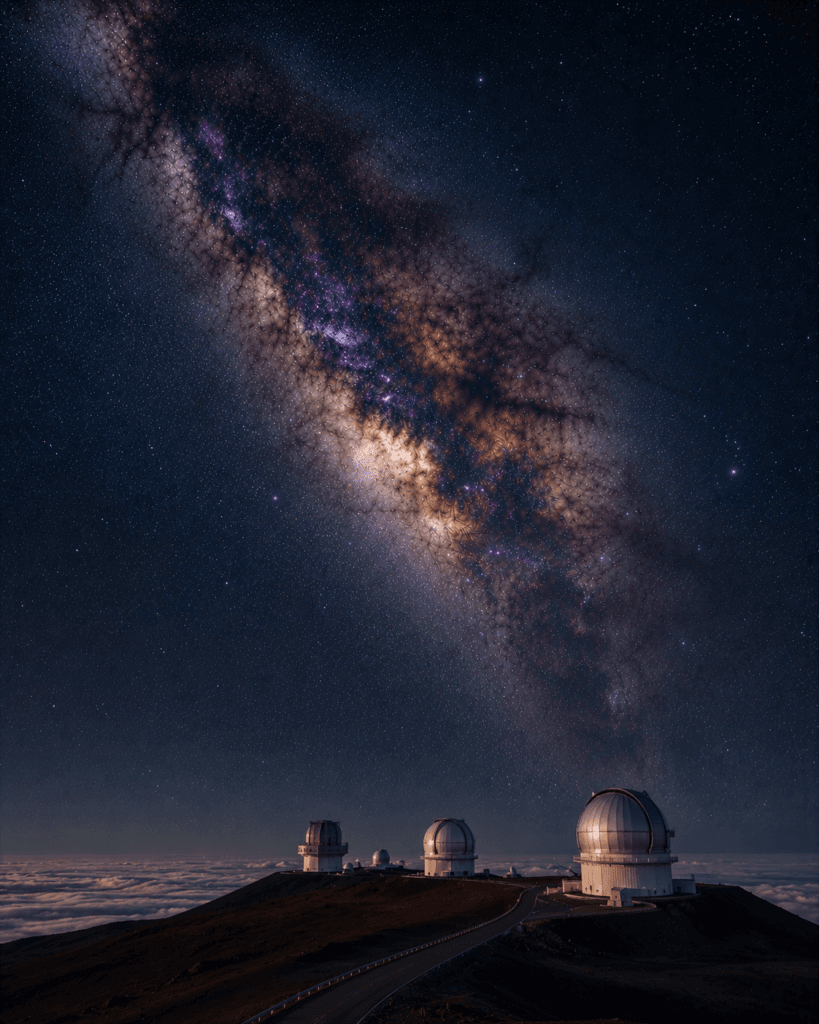
Mauna Kea Visitor Information Station
The Visitor Information Station is the most popular location for public stargazing. It sits at approximately 9,200 feet and provides excellent viewing conditions.
Summit Area
The summit region hosts some of the world’s most advanced observatories and offers extraordinary night sky views for properly prepared visitors.
Observatory Access Road
Several pullout areas along the access road provide excellent opportunities for photography and visual observation.
Lower Elevation Viewing Areas
Visitors who are sensitive to altitude can still enjoy impressive dark skies from lower elevations around the mountain.
Milky Way Viewing at Mauna Kea
Mauna Kea is one of the best locations on Earth for observing the Milky Way. The viewing season generally runs from March through October, with peak visibility occurring between May and August.
Under favorable conditions, the galactic core appears exceptionally bright and detailed due to the mountain’s altitude and dark skies.
Travelers planning a Hawaii astronomy trip should also review our Best Time to See the Milky Way in Hawaii guide.
Astrophotography Opportunities
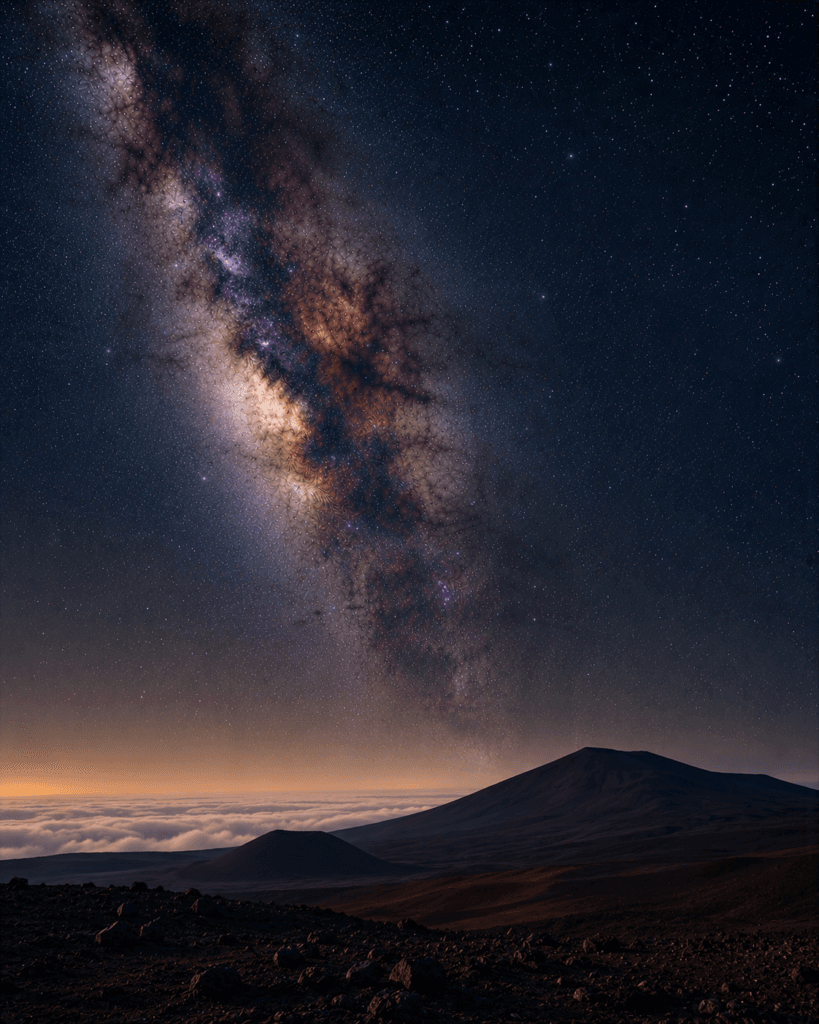
Mauna Kea is a dream destination for astrophotographers.
- Milky Way above volcanic landscapes
- Observatory photography
- Star trails over lava fields
- Night sky panoramas
- Planetary conjunction photography
The mountain’s elevation and atmospheric conditions make it one of the world’s most sought-after locations for night photography.
Additional photography techniques can be found in our Astrophotography category.
Meteor Shower Viewing
Mauna Kea provides exceptional viewing conditions during major annual meteor showers.
- Perseids
- Geminids
- Orionids
- Leonids
Dark skies and high elevation dramatically improve visibility compared to most locations around the world.
Annual forecasts and peak dates are available in our Meteor Showers section.
Stargazing Tips
- Allow time to acclimate to altitude
- Dress warmly
- Use red-light flashlights
- Check weather forecasts before visiting
- Arrive before sunset
- Allow time for dark adaptation
Because of the mountain’s extreme elevation, visitors should be aware of altitude-related safety considerations before traveling to higher elevations.
Is Mauna Kea Worth Visiting?
Absolutely. Mauna Kea is not only one of the best stargazing destinations in the United States but also one of the finest astronomy locations on Earth.
Its combination of altitude, dark skies, observatories, and stunning volcanic scenery makes it a bucket-list destination for anyone interested in astronomy.
Frequently Asked Questions
Is Mauna Kea the best stargazing location in Hawaii?
Yes. Mauna Kea is widely considered the best stargazing destination in Hawaii and one of the best in the world.
When is the best time to see the Milky Way?
The best viewing period generally runs from May through August.
Can you visit the observatories?
Most observatories are not open for casual nighttime visits, but visitors can enjoy excellent stargazing from designated public areas.
Do I need a telescope?
No. The Milky Way and thousands of stars are clearly visible with the naked eye under favorable conditions.
Plan your trip within five nights of the new moon and choose Bortle 1–3 locations for the best Milky Way visibility.