Great Basin National Park Stargazing Guide
Great Basin National Park is one of the darkest and most underrated stargazing destinations in the United States. Located in […]
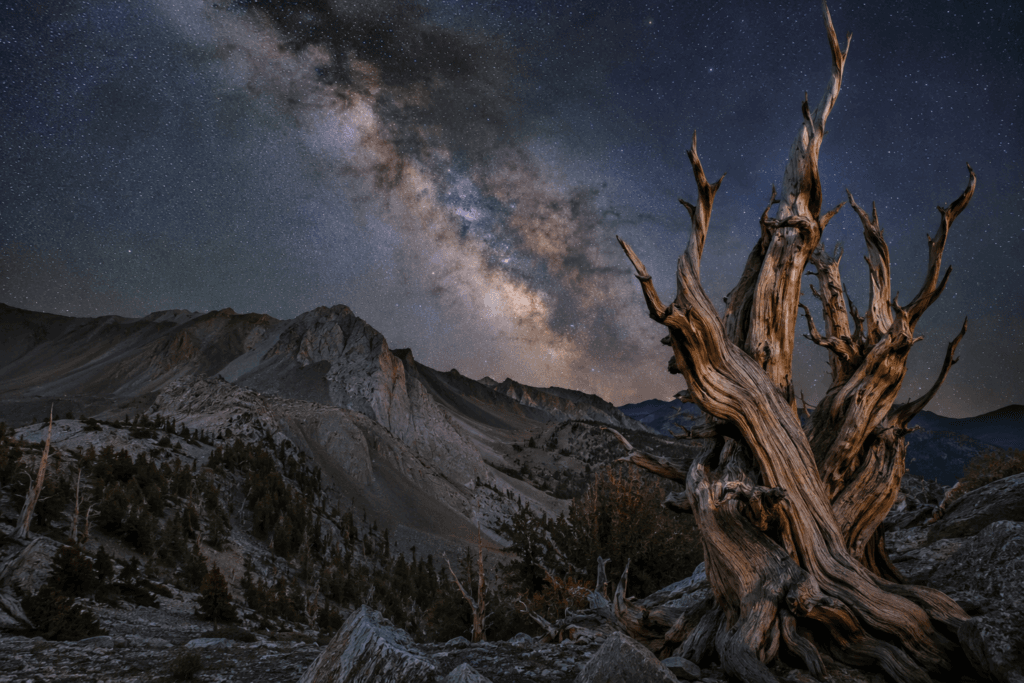
Great Basin National Park is one of the darkest and most underrated stargazing destinations in the United States. Located in eastern Nevada near the Utah border, this remote national park offers exceptionally low light pollution, high-elevation observation points, and some of the best Milky Way viewing opportunities in North America.
Recognized as an International Dark Sky Park, Great Basin attracts astronomers, astrophotographers, and travelers seeking truly dark skies. Unlike many national parks that experience increasing light pollution from nearby cities, Great Basin remains remarkably isolated, allowing visitors to experience a night sky that closely resembles what people saw centuries ago.
Whether you’re planning a dedicated astronomy trip or simply want to experience one of America’s most spectacular dark sky destinations, Great Basin National Park deserves a place at the top of your travel list.
Why Great Basin National Park Is So Dark
One of the biggest reasons Great Basin stands out among American national parks is its remote location. The surrounding region contains very little urban development, allowing natural darkness to dominate the night landscape.
- Extremely low light pollution
- High elevation observation areas
- Dry desert climate
- Clear skies throughout much of the year
- Protected dark sky initiatives
These conditions create an ideal environment for observing faint celestial objects, meteor showers, planets, galaxies, and the Milky Way. Visitors researching other dark sky destinations may also want to explore additional Dark Sky Parks across the American Southwest.
Best Time to Visit Great Basin National Park
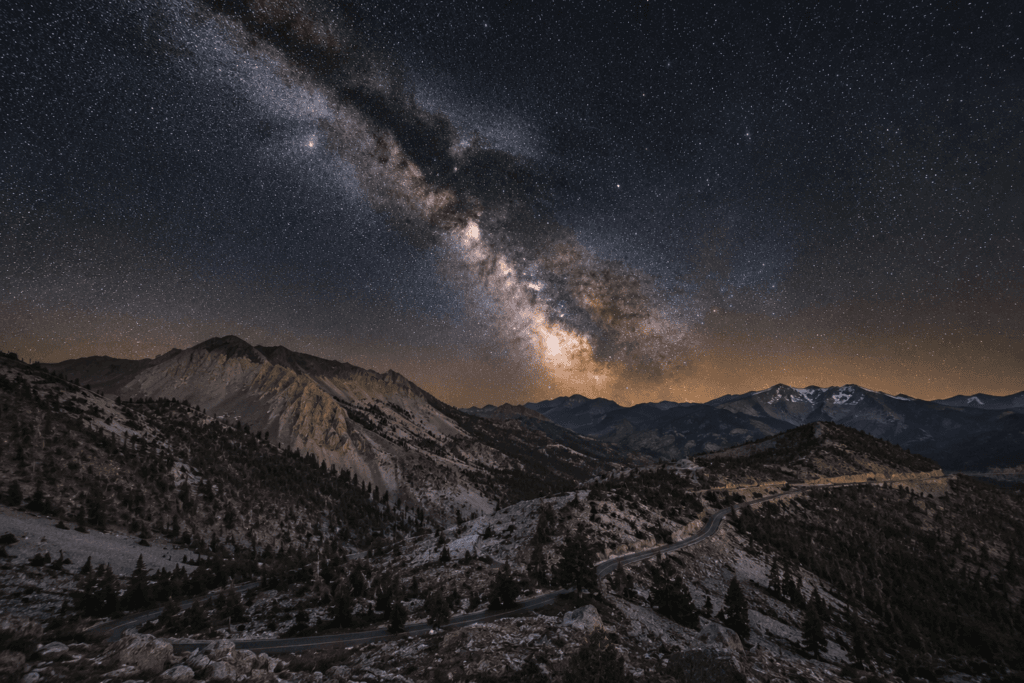
Stargazing is possible year-round, but some seasons provide better viewing opportunities.
Spring
Spring marks the beginning of Milky Way season. Temperatures become more comfortable, and the galactic core starts appearing during the early morning hours.
Summer
Summer is widely considered the best season for stargazing at Great Basin National Park. The Milky Way core becomes highly visible and remains above the horizon for much of the night.
Travelers planning a Nevada astronomy trip should also read our Best Time to See the Milky Way in Nevada guide.
Fall
Fall combines cooler temperatures, smaller crowds, and excellent atmospheric stability. Many experienced astrophotographers prefer September and October for long photography sessions.
Winter
Winter offers some of the darkest skies of the year. Although the Milky Way core is less prominent, winter constellations and deep-sky objects become spectacular targets for observation.
Best Stargazing Locations Inside the Park
Several areas within Great Basin National Park are particularly well suited for night sky viewing.
Wheeler Peak Scenic Drive
The Wheeler Peak Scenic Drive provides access to higher elevations and expansive horizons. These locations are ideal for Milky Way photography and deep-sky observation.
Mather Overlook
Mather Overlook is one of the park’s most popular observation points. The elevated perspective and dark southern horizon create excellent conditions for viewing the Milky Way.
Lehman Creek Area
Lehman Creek offers quieter viewing opportunities away from some of the park’s more frequently visited locations.
Baker Area
The open terrain surrounding Baker provides unobstructed views and excellent visibility during meteor shower events.
Milky Way Viewing
Great Basin National Park is one of Nevada’s premier Milky Way destinations. The Milky Way season generally runs from March through October, with peak visibility occurring between June and August.
During summer, the galactic core becomes visible shortly after darkness falls and remains prominent throughout much of the night. For nationwide planning, see our Milky Way Viewing Calendar USA.
New moon periods typically provide the best viewing conditions because moonlight does not interfere with faint celestial details. Visitors comparing western destinations may also find our Best Time to See the Milky Way in Utah guide helpful when planning multi-state astronomy trips.
Astrophotography Opportunities
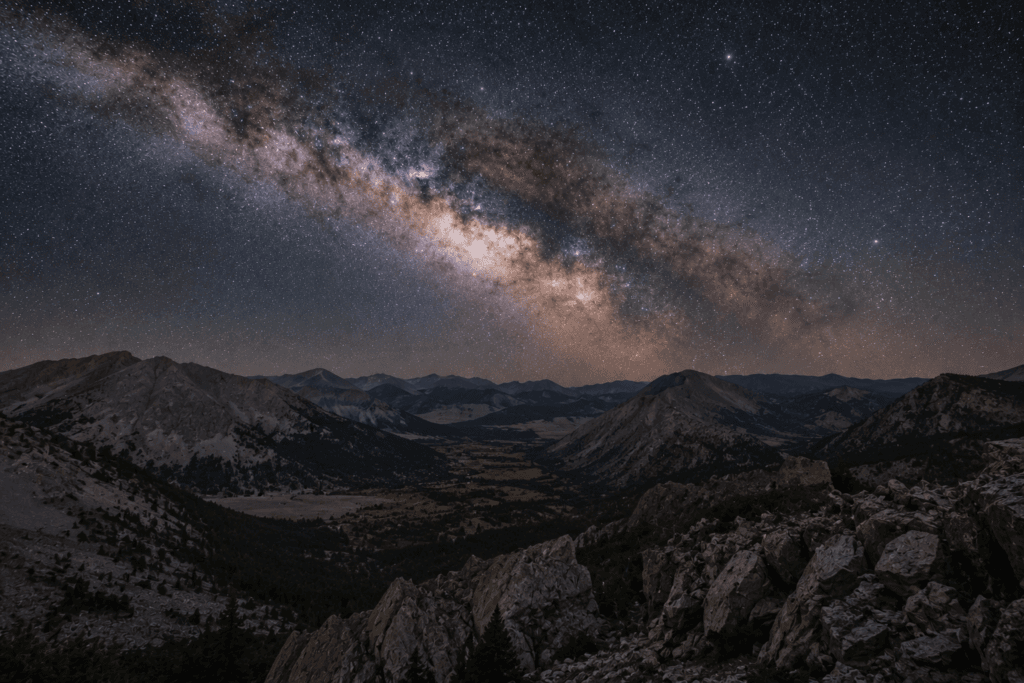
Great Basin National Park has become increasingly popular among astrophotographers because it combines dark skies with dramatic natural foregrounds.
- Ancient bristlecone pine trees
- Rocky mountain ridges
- Desert landscapes
- Wheeler Peak
- Historic structures
Recommended equipment includes a full-frame camera, wide-angle lens, sturdy tripod, remote shutter release, and red-light headlamp. Photographers should scout locations before sunset and prepare compositions while daylight remains.
Additional night photography resources are available in our Astrophotography category.
Meteor Shower Viewing
Great Basin offers excellent viewing conditions for annual meteor showers. The park’s low light pollution dramatically increases the number of visible meteors compared to urban areas.
- Perseids
- Geminids
- Orionids
- Leonids
For annual shower calendars and peak dates, visit our Meteor Showers section.
Stargazing Tips
Before heading out for nighttime observation, consider the following recommendations:
- Bring warm clothing
- Carry extra water
- Download offline maps
- Use red-light flashlights only
- Allow your eyes time to adapt to darkness
- Check moon phase forecasts
Cell service may be limited throughout much of the park, so advance planning is strongly recommended.
Is Great Basin National Park Worth Visiting?
Absolutely. Great Basin National Park consistently ranks among America’s top dark sky destinations thanks to its exceptionally low light pollution, high-elevation viewpoints, and outstanding Milky Way visibility.
Whether you’re a beginner hoping to see the Milky Way for the first time or an experienced astrophotographer searching for pristine dark skies, Great Basin delivers one of the finest astronomy experiences available anywhere in the United States.
Frequently Asked Questions
Is Great Basin National Park an official Dark Sky Park?
Yes. Great Basin National Park is officially recognized as an International Dark Sky Park.
When is the best time to see the Milky Way?
The best viewing period generally runs from June through August.
Do I need a telescope?
No. Many celestial objects and the Milky Way itself are clearly visible with the naked eye.
What moon phase is best for stargazing?
New moon periods typically provide the darkest skies and the best viewing conditions.
Plan your trip within five nights of the new moon and choose Bortle 1–3 locations for the best Milky Way visibility.