Best Time to See the Milky Way in Montana
Montana is one of the best states in America for Milky Way viewing. With vast wilderness areas, low population density, […]
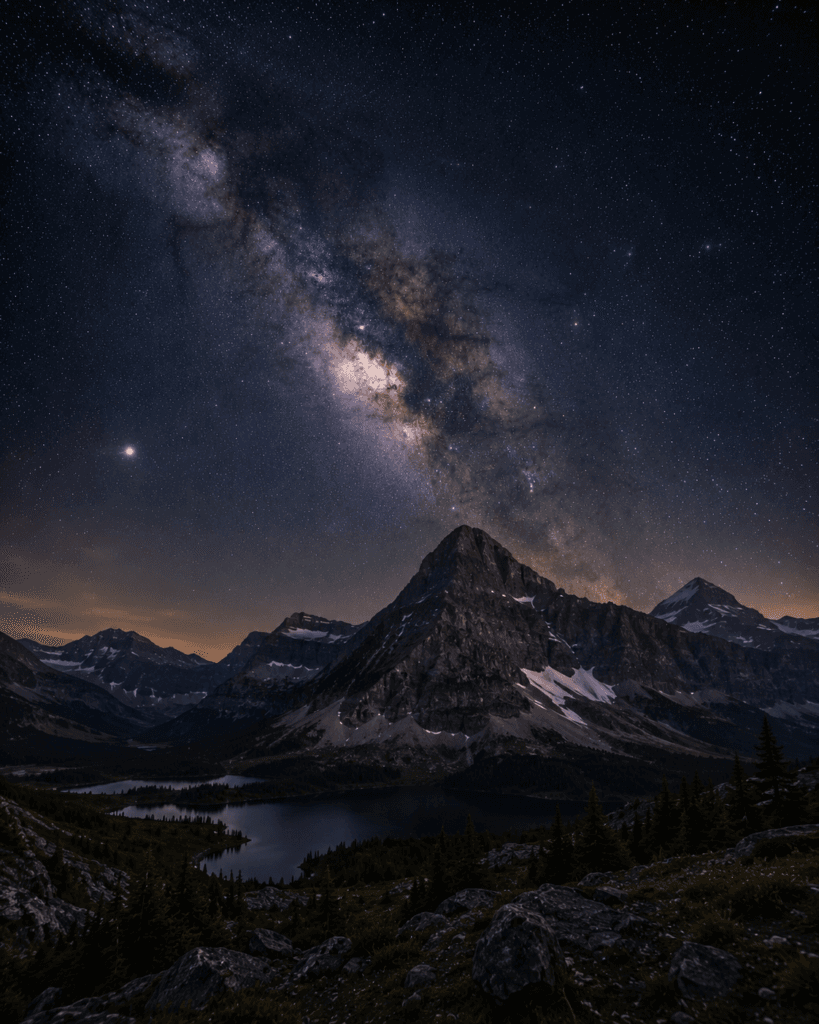
Montana is one of the best states in America for Milky Way viewing. With vast wilderness areas, low population density, rugged mountain ranges, and some of the darkest skies in the lower 48 states, Montana offers extraordinary opportunities for stargazing. Whether you are exploring Glacier National Park, the remote plains of eastern Montana, or the mountain valleys of the Rockies, dark skies are never far away.
The best time to see the Milky Way in Montana is generally from May through September, with peak viewing conditions occurring during June, July, and August. During these months, the galactic core remains visible for long periods and rises high above the horizon.
For a nationwide overview of visibility throughout the year, visit our Milky Way Viewing Calendar USA.
When Is the Best Time to See the Milky Way in Montana?
The Milky Way core becomes visible in Montana during spring and remains visible into early autumn.
- March–April: Early morning visibility begins.
- May–June: Prime viewing season develops.
- July–August: Peak Milky Way season.
- September: Excellent visibility with cooler temperatures.
For most stargazers, July is often considered the strongest month because the galactic core remains visible for much of the night.
Monthly Milky Way Visibility in Montana
March and April
The galactic core starts appearing before dawn. Viewing windows remain relatively short but can provide excellent early-season opportunities.
May and June
Visibility improves dramatically as the Milky Way rises earlier and remains visible longer. These months are excellent for both observation and photography.
July and August
Peak season arrives. The Milky Way core becomes a dominant feature of the night sky and remains visible for extended periods.
September
Cool nights and stable conditions often create some of the clearest skies of the year.
Why Montana Is One of America’s Best Stargazing States
- Extremely low population density
- Large wilderness regions
- Minimal light pollution
- High mountain viewpoints
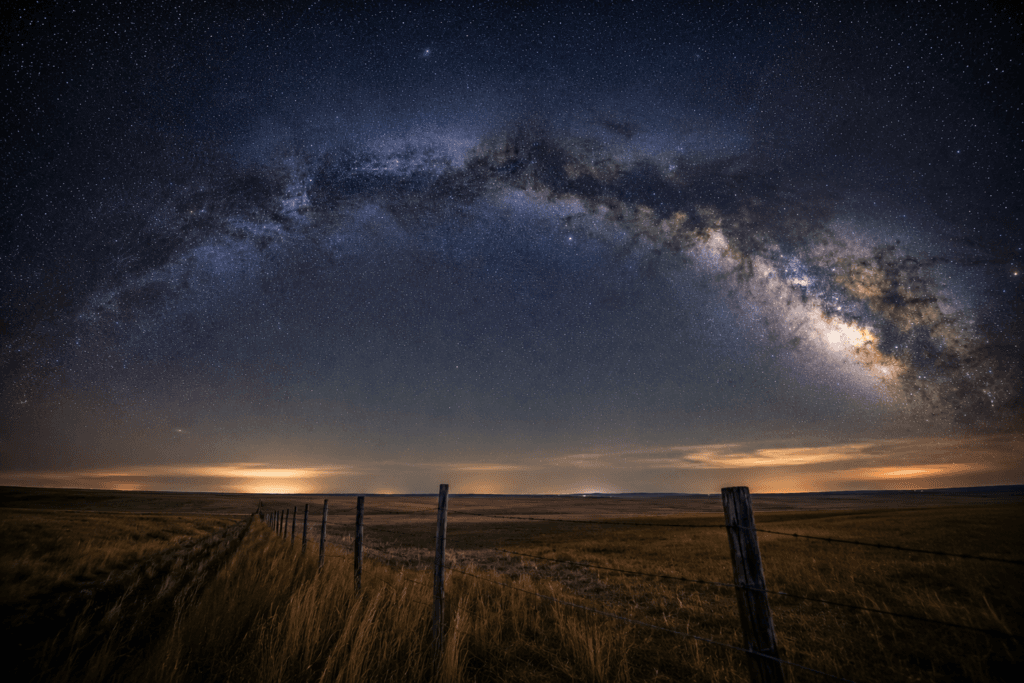
- Expansive prairie horizons
These conditions make Montana one of the darkest and most rewarding states for night sky observation.
Best Places to See the Milky Way in Montana
Glacier National Park
Glacier National Park is Montana’s most famous dark sky destination. Rugged peaks, alpine lakes, and minimal light pollution create spectacular conditions for Milky Way viewing.
Medicine Rocks State Park
This unique sandstone landscape offers dramatic foregrounds and excellent dark sky conditions.
Charles M. Russell National Wildlife Refuge
Remote and sparsely populated, this region offers some of the darkest skies in the state.
Beartooth Highway Region
High elevations and expansive mountain views create outstanding opportunities for astrophotography.
Big Sky Country Backroads
Many remote rural roads throughout Montana provide exceptional dark sky access far from artificial light.
Several of these destinations are also featured in our Stargazing Locations and Dark Sky Parks guides.
Moon Phases and Dark Sky Planning
Moonlight significantly affects Milky Way visibility, even in Montana’s darkest locations.
- Plan around the new moon.
- Avoid full moon periods.
- Check moonrise and moonset times before traveling.
The darkest nights reveal more of the Milky Way’s intricate dust lanes and star clouds.
Best Time for Milky Way Photography in Montana
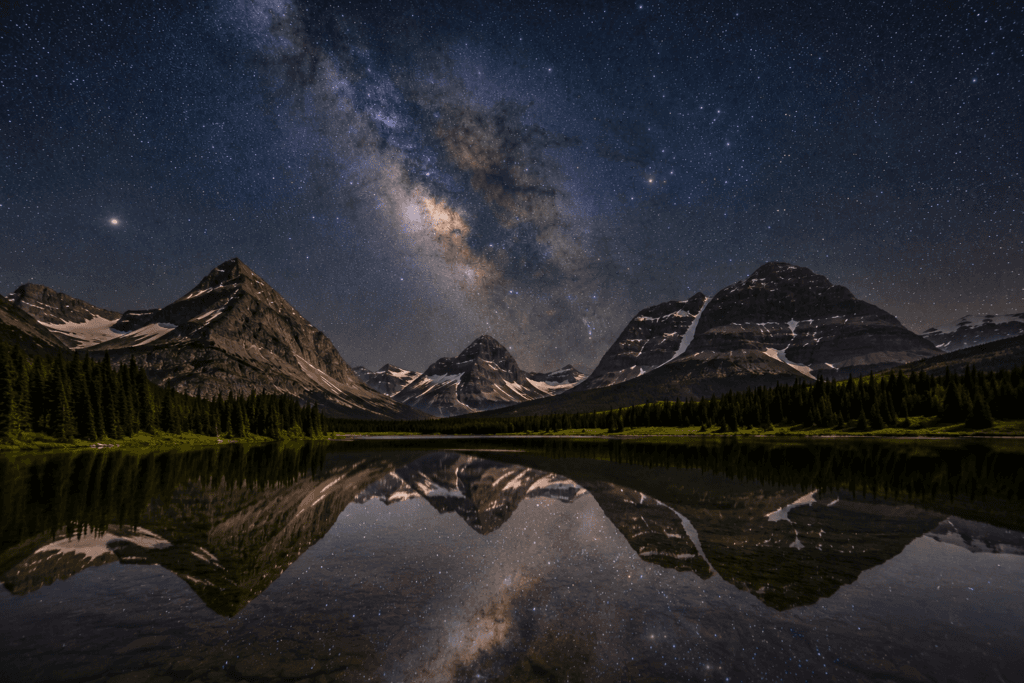
Montana offers some of the most photogenic astrophotography locations in North America.
- Glacial lakes
- Mountain peaks
- Prairie landscapes
- Rock formations
- Remote wilderness valleys
July and August generally provide the longest photography windows and the most favorable weather conditions.
Weather Considerations
- Spring weather can be unpredictable.
- Summer provides the most reliable viewing conditions.
- Mountain weather changes rapidly.
- Temperatures can drop significantly after sunset.
Always review local forecasts before heading into remote areas.
Final Thoughts
Montana offers some of the finest Milky Way viewing opportunities in the United States. The combination of dark skies, rugged wilderness, and dramatic landscapes creates unforgettable stargazing experiences.
For the best results, plan your trip between June and August, choose a remote dark sky location, and schedule your visit around a new moon.
Frequently Asked Questions
What is the best month to see the Milky Way in Montana?
July is generally considered the strongest month because the galactic core remains visible for much of the night.
Can you see the Milky Way in Glacier National Park?
Yes. Glacier National Park is one of the best Milky Way viewing destinations in the United States.
What is the darkest place in Montana?
Remote areas in eastern Montana and parts of Glacier National Park offer some of the darkest skies in the state.
Do I need a telescope to see the Milky Way?
No. The Milky Way is visible to the naked eye from dark locations.
What moon phase is best for Milky Way viewing?
A new moon generally provides the darkest skies and the best viewing conditions.
Plan your trip within five nights of the new moon and choose Bortle 1–3 locations for the best Milky Way visibility.