Best Time to See the Milky Way in Washington
Washington may not be the first state that comes to mind when people think about Milky Way viewing, but the […]
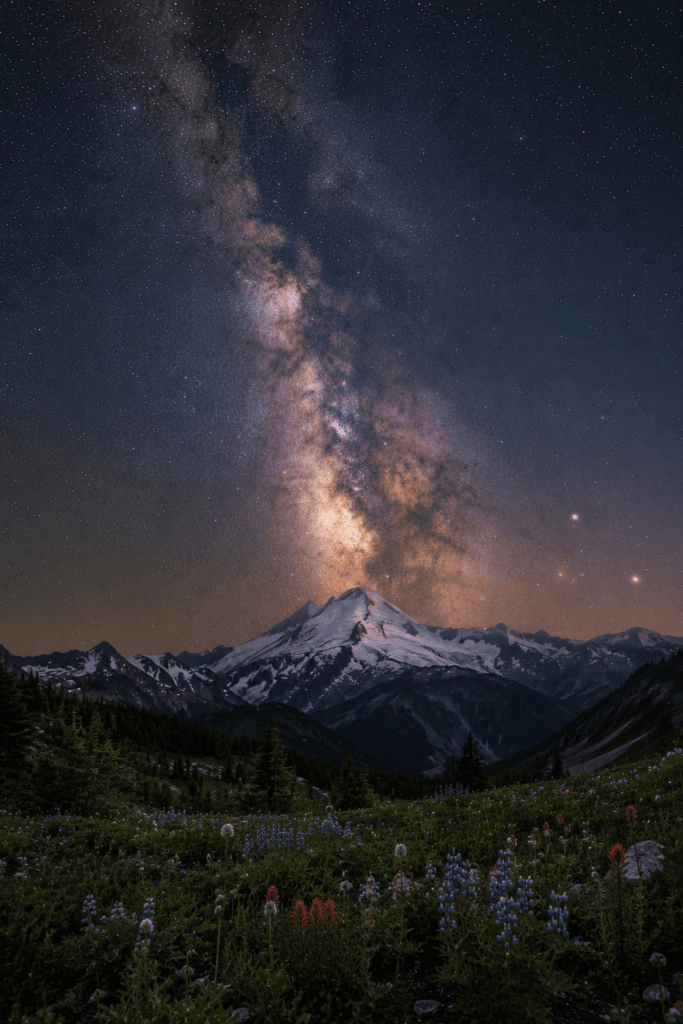
Washington may not be the first state that comes to mind when people think about Milky Way viewing, but the Evergreen State offers some remarkable dark sky opportunities. While western Washington is known for clouds and rain, eastern Washington, the North Cascades, and remote mountain regions provide surprisingly dark skies during the summer months. For stargazers willing to plan around weather conditions, Washington can deliver unforgettable views of the Milky Way.
When Is the Best Time to See the Milky Way in Washington?
The best time to see the Milky Way in Washington is typically from May through September, with July and August providing the most reliable viewing conditions. During these months, the galactic core is visible for long periods and weather conditions are generally more favorable.
- March–April: Early season visibility before sunrise.
- May–June: Milky Way season begins to strengthen.
- July–August: Peak viewing months.
- September: Excellent visibility with cooler nights.
For broader planning, visit our Milky Way Viewing Calendar USA.
Monthly Milky Way Visibility in Washington
March and April
The Milky Way core begins appearing before dawn. Cloud cover can still be a challenge, especially in western parts of the state.
May and June
Viewing conditions improve as nights become more stable and the galactic core rises earlier.
July and August
These are generally the best months for Milky Way viewing in Washington. Clear mountain skies and long viewing windows create excellent opportunities.
September
Cooler temperatures and reduced summer haze often produce exceptional visibility.
Why Washington Is Better for Stargazing Than Many People Expect
- Large wilderness areas
- Dark mountain regions
- Low light pollution in eastern Washington
- High elevation viewpoints
- National parks with excellent night sky conditions
Although weather can be challenging, clear summer nights can reveal spectacular views of the Milky Way.
Best Places to See the Milky Way in Washington
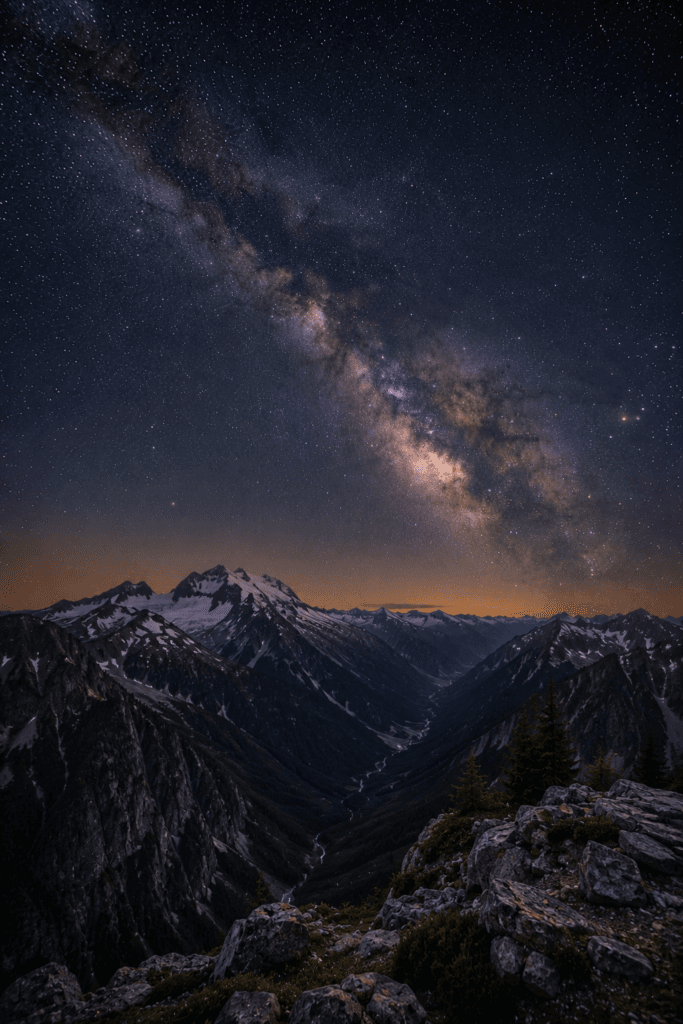
North Cascades National Park
One of the darkest national park regions in Washington, offering dramatic mountain scenery and minimal light pollution.
Mount Rainier National Park
When weather conditions cooperate, Mount Rainier provides breathtaking Milky Way photography opportunities.
Olympic National Park
Remote sections of the park can provide dark skies and unique coastal stargazing experiences.
Palouse Region
The rolling hills of eastern Washington offer open horizons and significantly darker skies than urban areas.
Steptoe Butte State Park
A favorite among photographers thanks to elevated viewpoints and panoramic views.
Several of these locations are also featured in our Stargazing Locations and Dark Sky Parks guides.
Moon Phases and Dark Sky Planning
Even the darkest locations in Washington can be affected by moonlight.
- Plan around the new moon.
- Avoid full moon periods.
- Check moonrise and moonset times.
The darkest nights reveal far more detail within the Milky Way.
Best Time for Milky Way Photography in Washington
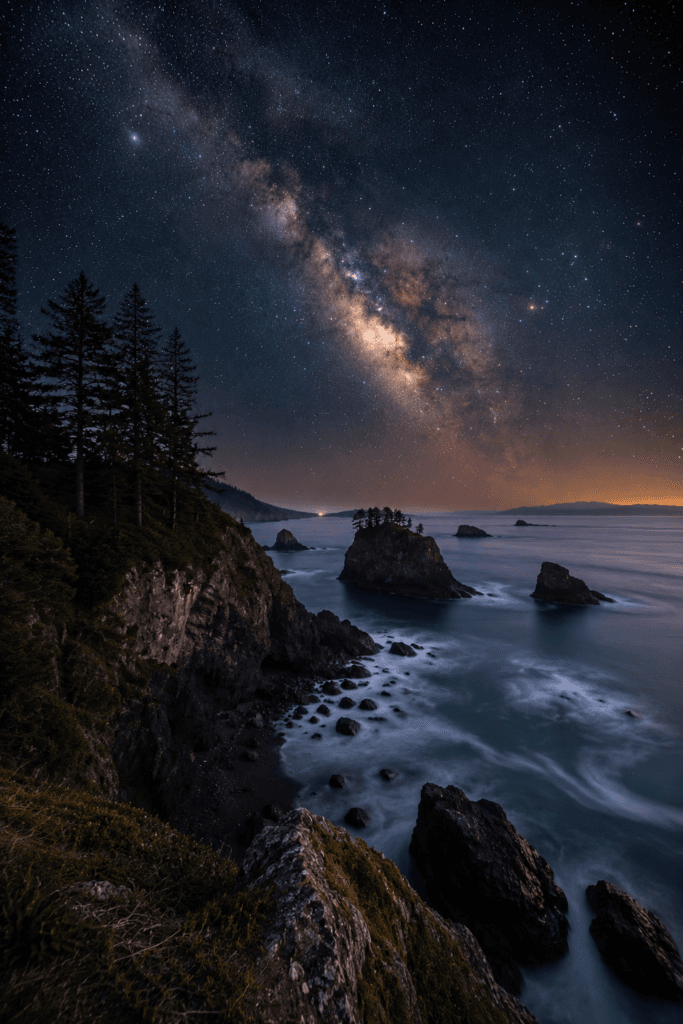
Washington offers unique photography opportunities that differ from the desert Southwest.
- Snow-capped mountain peaks
- Alpine meadows
- Forest landscapes
- Coastal cliffs
- Volcanic scenery
July and August generally provide the best balance of darkness and weather.
Weather Considerations
- Cloud cover is the biggest challenge.
- Summer offers the most reliable conditions.
- Mountain weather can change rapidly.
- Eastern Washington is often drier than western regions.
Always review weather forecasts before traveling to remote locations.
Final Thoughts
Washington rewards patient stargazers with some of the most dramatic Milky Way landscapes in the Pacific Northwest. While weather requires careful planning, the combination of mountains, wilderness, forests, and coastlines creates unique viewing and photography opportunities that are difficult to find elsewhere.
For the best results, plan your trip during July or August and schedule your visit around a new moon.
Frequently Asked Questions
What is the best month to see the Milky Way in Washington?
July is generally considered the strongest month because of favorable weather and long viewing windows.
Can you see the Milky Way in Mount Rainier National Park?
Yes. Clear summer nights can provide excellent Milky Way visibility.
What is the darkest place in Washington?
The North Cascades region is often considered one of the darkest areas in the state.
Do I need a telescope to see the Milky Way?
No. The Milky Way is visible to the naked eye from dark locations.
What moon phase is best for Milky Way viewing?
A new moon generally provides the darkest skies and best viewing conditions.
Plan your trip within five nights of the new moon and choose Bortle 1–3 locations for the best Milky Way visibility.