Best Time to See the Milky Way in Nevada
Nevada is one of the most underrated destinations for Milky Way viewing in the United States. While many travelers associate […]
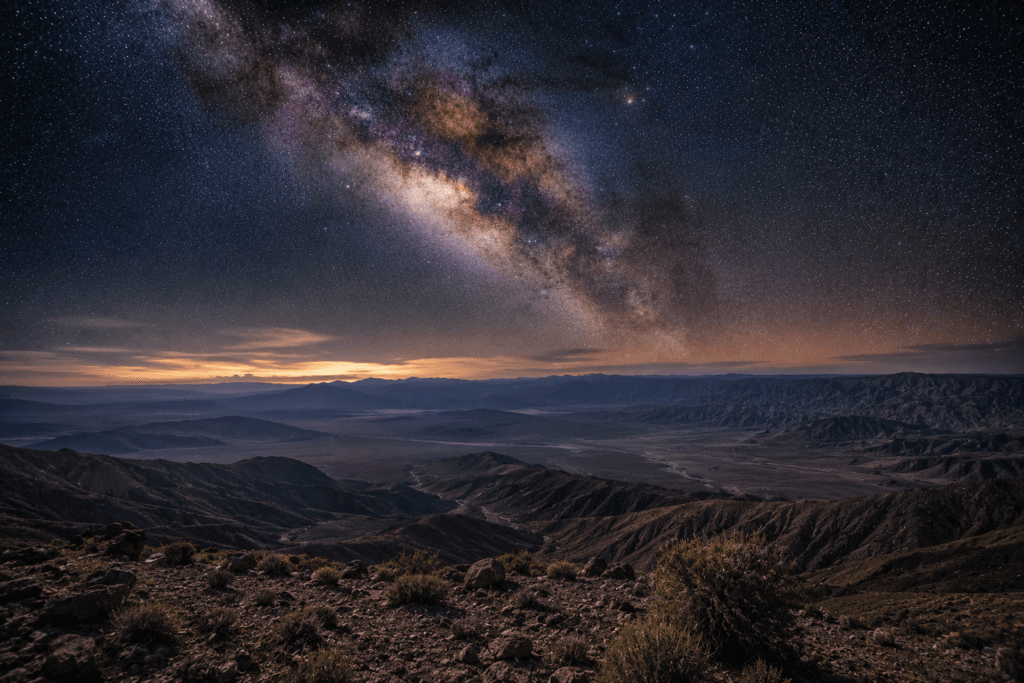
Nevada is one of the most underrated destinations for Milky Way viewing in the United States. While many travelers associate the state with Las Vegas, most of Nevada consists of vast remote deserts, rugged mountain ranges, and some of the darkest skies in North America. For stargazers and astrophotographers, Nevada offers exceptional opportunities to experience the Milky Way far from major sources of light pollution.
If you are planning a night sky adventure, understanding the best time to see the Milky Way in Nevada will help you maximize visibility and choose the right locations for an unforgettable experience.
When Is the Best Time to See the Milky Way in Nevada?
The Milky Way core becomes visible in Nevada between March and October, but the most impressive viewing conditions occur during late spring and summer.
- March–April: Early season viewing before sunrise.
- May–June: Prime viewing season begins.
- July–August: Peak Milky Way visibility.
- September–October: Excellent conditions with earlier viewing windows.
For most visitors, June through August provides the best combination of weather, darkness, and galactic core visibility.
For a nationwide overview, see our Milky Way Viewing Calendar USA.
Monthly Milky Way Visibility in Nevada
March and April
The galactic core begins appearing before dawn. Viewing windows remain relatively short, but skies are often very clear.
May and June
Longer nights and higher galactic core positions make these months excellent for photography and visual observation.
July and August
These are widely considered the best months for Milky Way viewing in Nevada. The core remains visible for much of the night and reaches impressive heights above the horizon.
September and October
Cooler temperatures and stable atmospheric conditions often create excellent viewing opportunities before the season gradually ends.
Why Nevada Is One of America’s Best Stargazing States
Nevada has several natural advantages that make it a favorite among serious stargazers.
- Large areas with extremely low population density
- Minimal light pollution outside urban centers
- Dry desert climate
- High elevation viewing locations
- Hundreds of miles of remote wilderness
These conditions frequently produce skies that rival some of the best astronomy destinations anywhere in the world.
Best Places to See the Milky Way in Nevada
Great Basin National Park
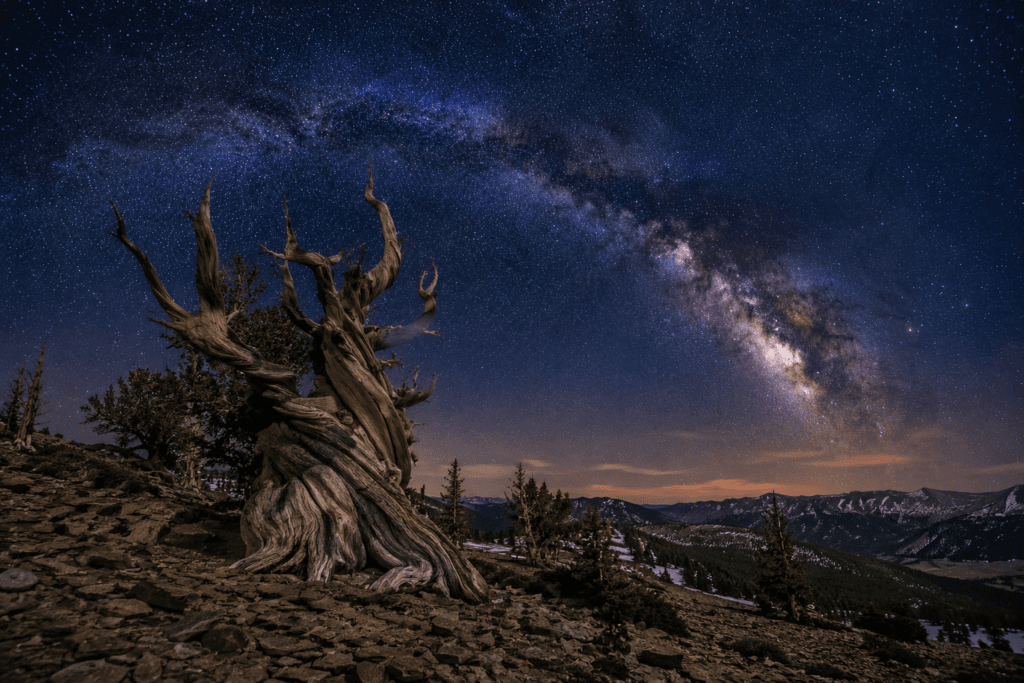
Great Basin National Park is Nevada’s premier dark sky destination. The park regularly hosts astronomy programs and offers exceptionally dark skies.
Massacre Rim Dark Sky Sanctuary
Recognized as one of the darkest places in North America, Massacre Rim provides extraordinary Milky Way visibility.
Valley of Fire State Park
Although known for its red sandstone formations, the park also offers impressive night sky photography opportunities.
Black Rock Desert
The vast open landscape and remote location create ideal conditions for observing the galactic core.
Lamoille Canyon
Located in northeastern Nevada, this mountain destination combines dramatic scenery with excellent night sky visibility.
Many of these destinations also appear in our guides to Dark Sky Parks and top Stargazing Locations.
Moon Phases Can Make or Break Your Trip
The darkest skies occur around the new moon.
For the best Milky Way visibility:
- Plan trips within a few days of the new moon.
- Avoid full moon periods.
- Check moonrise and moonset times before traveling.
Even remote Nevada locations will lose significant contrast when the moon is bright.
Best Time for Milky Way Photography in Nevada
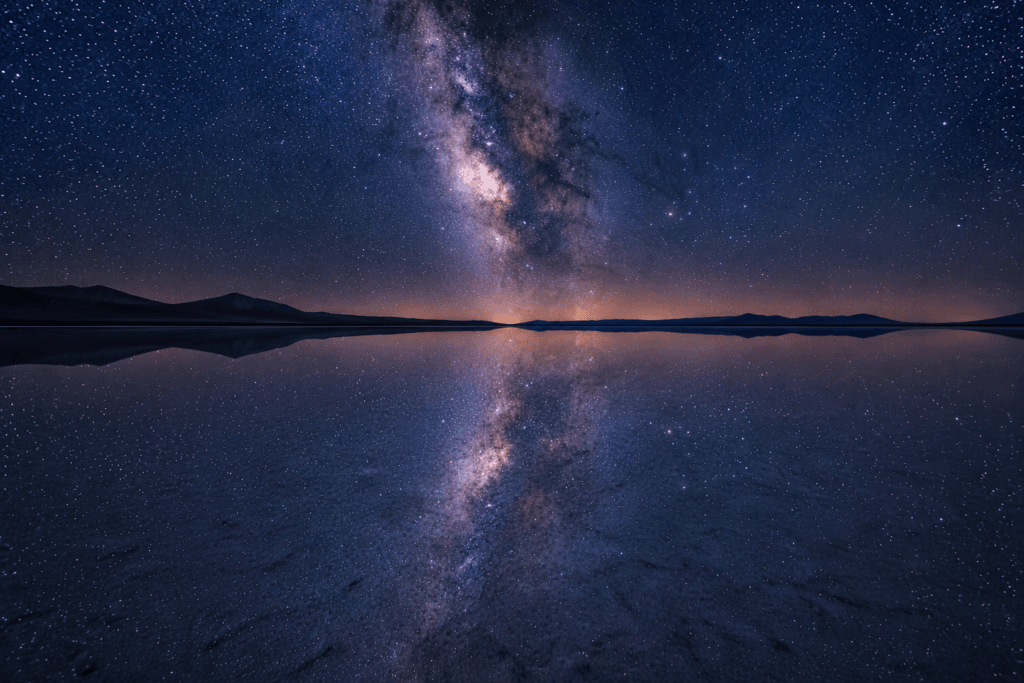
Nevada offers an incredible variety of foreground subjects for astrophotography.
- Desert basins
- Ancient bristlecone pine forests
- Rock formations
- Mountain landscapes
- Salt flats
July and August generally provide the longest and most convenient photography windows.
Weather Considerations
Nevada’s dry climate creates favorable viewing conditions throughout much of the year.
- Spring offers stable skies.
- Summer provides peak Milky Way visibility.
- Fall often delivers excellent transparency.
- Winter remains dark but lacks the visible galactic core.
Always check local forecasts, especially when traveling to high-elevation areas.
Final Thoughts
Nevada is one of the best states in America for Milky Way viewing. The combination of dark skies, remote landscapes, and dry weather creates outstanding conditions for both casual observers and dedicated astrophotographers.
For most visitors, June through August provides the best overall experience. Choosing a location like Great Basin National Park or Massacre Rim and planning around a new moon will dramatically improve your chances of seeing the Milky Way at its most spectacular.
Frequently Asked Questions
What is the best month to see the Milky Way in Nevada?
July is often considered the best month because the galactic core remains visible for much of the night.
Can you see the Milky Way near Las Vegas?
Yes, but you should travel away from the city to darker locations such as Valley of Fire or Great Basin National Park.
What is the darkest place in Nevada?
Massacre Rim Dark Sky Sanctuary is widely regarded as one of the darkest locations in North America.
Do I need a telescope to see the Milky Way?
No. The Milky Way can be seen with the naked eye under dark skies.
What moon phase is best for Milky Way viewing?
A new moon generally provides the darkest skies and the best viewing conditions.
Plan your trip within five nights of the new moon and choose Bortle 1–3 locations for the best Milky Way visibility.