
Best Time to See the Milky Way in Utah
Utah is one of the best states in America for Milky Way viewing. The combination of dark skies, high desert […]
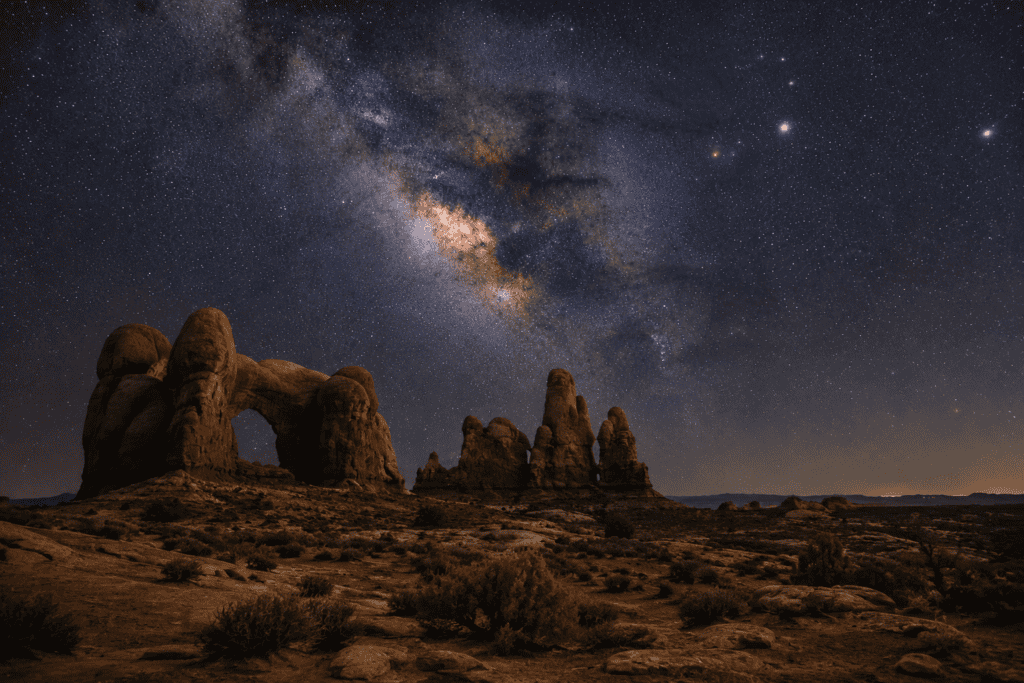
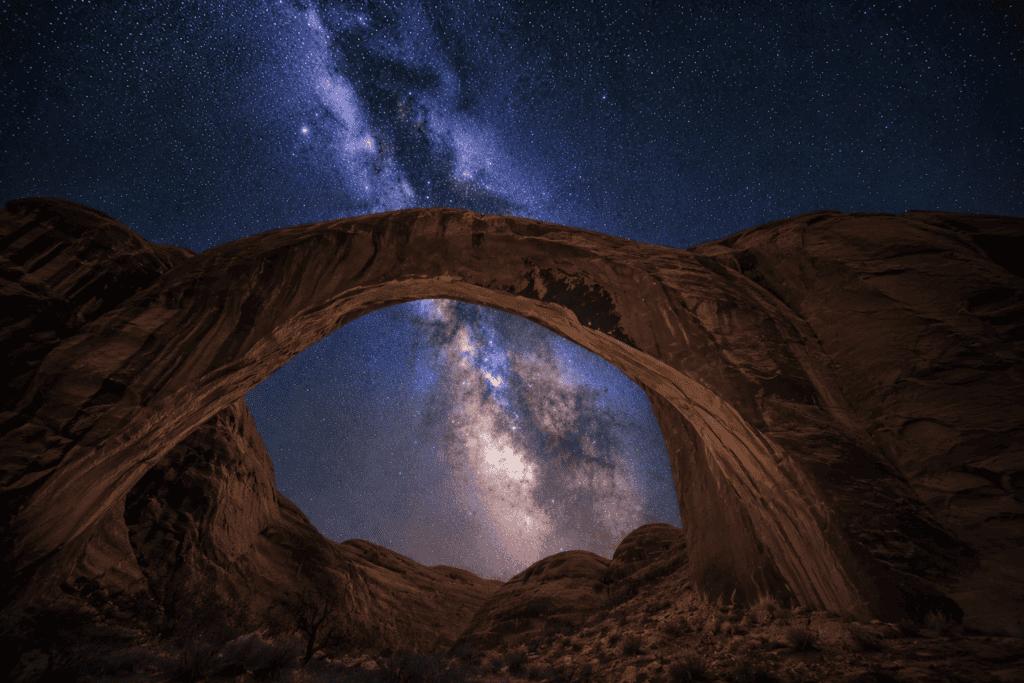
Utah is one of the best states in America for Milky Way viewing. The combination of dark skies, high desert landscapes, national parks, and remote public lands creates exceptional opportunities for stargazing throughout much of the year. Whether you’re planning a trip to Bryce Canyon, Canyonlands, Capitol Reef, Arches, or another remote destination, choosing the right time can dramatically improve your experience.
The best time to see the Milky Way in Utah is generally between April and September, with the strongest viewing conditions usually occurring from May through August. During this period, the bright galactic core is visible for longer periods and can often be seen stretching across some of the most dramatic landscapes in the American Southwest.
For a nationwide overview of Milky Way visibility, start with our Milky Way Viewing Calendar USA. This guide focuses specifically on Utah’s seasons, locations, weather patterns, and planning considerations.
Quick Answer: When Is the Best Time to See the Milky Way in Utah?
The best time to see the Milky Way in Utah is usually from May through August during the new moon period. These months provide the best combination of galactic core visibility, dark skies, and favorable weather conditions.
September can also be excellent because the Milky Way becomes visible earlier in the evening. April serves as a strong early-season option, especially in southern Utah. For the best results, choose a dark location away from major light sources and avoid bright moon phases.
When Is Milky Way Season in Utah?
Milky Way season in Utah generally begins in late February and continues into October. The galactic core becomes visible in the early morning sky during late winter before gradually shifting into more convenient nighttime viewing windows throughout spring and summer.
By May, the Milky Way becomes one of the dominant features of the night sky. June, July, and August provide the longest viewing windows, while September remains a favorite month among experienced stargazers because of cooler temperatures and earlier visibility.
Although portions of the Milky Way remain visible at different times of the year, the bright central core that most people want to photograph is primarily a spring, summer, and early fall phenomenon.
Utah Milky Way Calendar by Month
| Month | Milky Way Visibility | Best Use |
|---|---|---|
| January | Limited | Winter stargazing and constellations |
| February | Early morning visibility begins | Dedicated pre-dawn observers |
| March | Improving | Early-season Milky Way opportunities |
| April | Good | Strong start to Milky Way season |
| May | Very Good | One of the best viewing months |
| June | Excellent | Peak season |
| July | Excellent | Outstanding visibility |
| August | Excellent | Peak viewing and photography |
| September | Very Good | Earlier evening visibility |
| October | Moderate | Late-season opportunities |
| November | Limited | Milky Way core fades |
| December | Limited | Winter sky observation |
Best Regions in Utah for Milky Way Viewing
Southern Utah
Southern Utah contains many of the state’s most famous dark sky destinations. The combination of red rock landscapes, national parks, and low population density creates outstanding conditions for Milky Way viewing and photography.
This region includes Bryce Canyon, Capitol Reef, Canyonlands, Arches, Natural Bridges, and numerous remote desert locations that consistently attract astronomy enthusiasts from around the world.
Central Utah
Central Utah offers less crowded alternatives while still providing excellent dark sky opportunities. Remote valleys, mountain viewpoints, and open desert landscapes can deliver remarkable night sky experiences.
Many travelers overlook this region, making it an attractive choice for those seeking quieter stargazing locations.
Northern Utah
Northern Utah has more population centers and light pollution, but strong viewing opportunities still exist outside major metropolitan areas. Mountain locations and remote public lands can provide surprisingly dark skies within a reasonable drive.
Best Places to See the Milky Way in Utah
Bryce Canyon National Park
Bryce Canyon is widely considered one of the best stargazing destinations in the United States. The park regularly hosts astronomy programs and offers exceptionally dark skies compared with most national parks.
The unique hoodoo formations also create some of the most recognizable Milky Way photography foregrounds in North America.
Canyonlands National Park
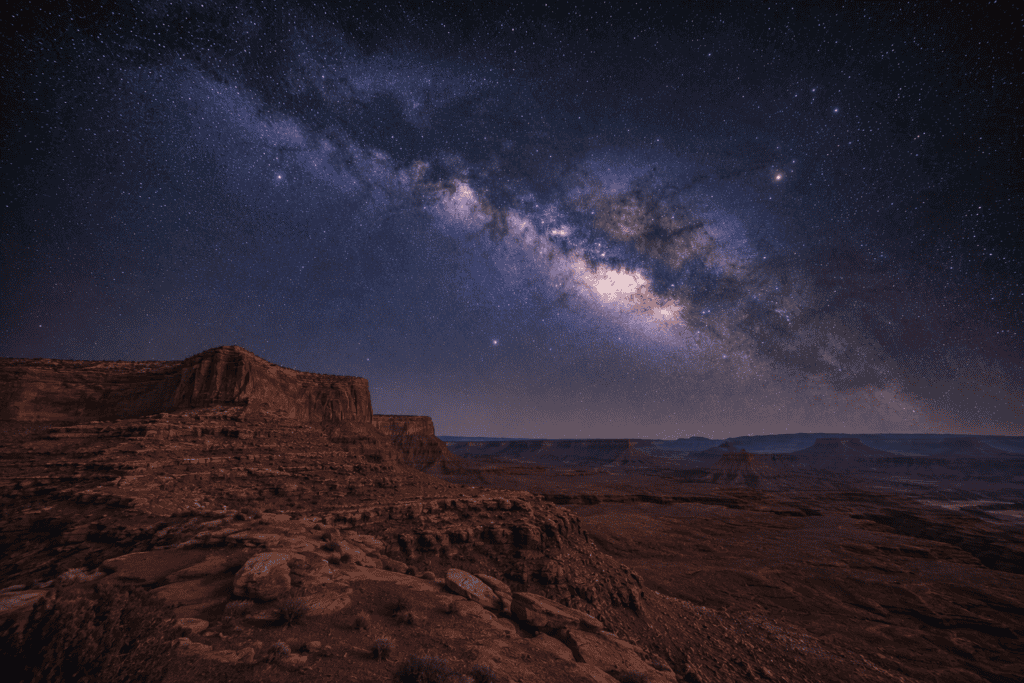
Canyonlands offers vast, remote landscapes and extremely dark skies. The park’s isolation from major cities helps preserve exceptional viewing conditions throughout much of the year.
Wide horizons and dramatic canyon terrain make this one of Utah’s premier Milky Way destinations.
Capitol Reef National Park
Capitol Reef remains somewhat less visited than some of Utah’s other national parks, which can create a more peaceful stargazing experience. The park’s dark skies and striking rock formations make it highly attractive for photographers.
Arches National Park
Arches combines world-famous sandstone formations with excellent night sky conditions. During peak season, the Milky Way often aligns beautifully with the park’s natural arches and rock features.
Natural Bridges National Monument
Natural Bridges became one of the first recognized dark sky destinations in the world and remains a favorite among serious stargazers. The natural stone bridges create dramatic compositions for Milky Way photography.
Goblin Valley State Park
Goblin Valley offers a unique landscape unlike almost anywhere else in America. The unusual rock formations provide memorable foreground opportunities beneath a dark Utah sky.
How Moon Phases Affect Milky Way Visibility
Moonlight has a major impact on Milky Way visibility in Utah. Even in some of the state’s darkest locations, a bright moon can significantly reduce contrast and hide many details within the Milky Way.
The best viewing opportunities generally occur during the new moon or within a few nights before and after it. This allows the sky to remain dark enough for the Milky Way to stand out clearly.
Before planning a trip, always check the moon phase. Many disappointing stargazing experiences occur because travelers select a perfect location but ignore lunar conditions.
Utah Weather and Sky Conditions
Utah benefits from a dry climate that often produces clear skies. However, conditions can vary depending on elevation, season, and region.
Spring and early summer often provide excellent viewing conditions, while late summer can occasionally bring thunderstorms to certain areas. High-elevation locations may become cold after sunset even during warmer months.
Always review weather forecasts before traveling. Clear skies are just as important as darkness when planning a successful Milky Way outing.
Milky Way Photography Tips for Utah
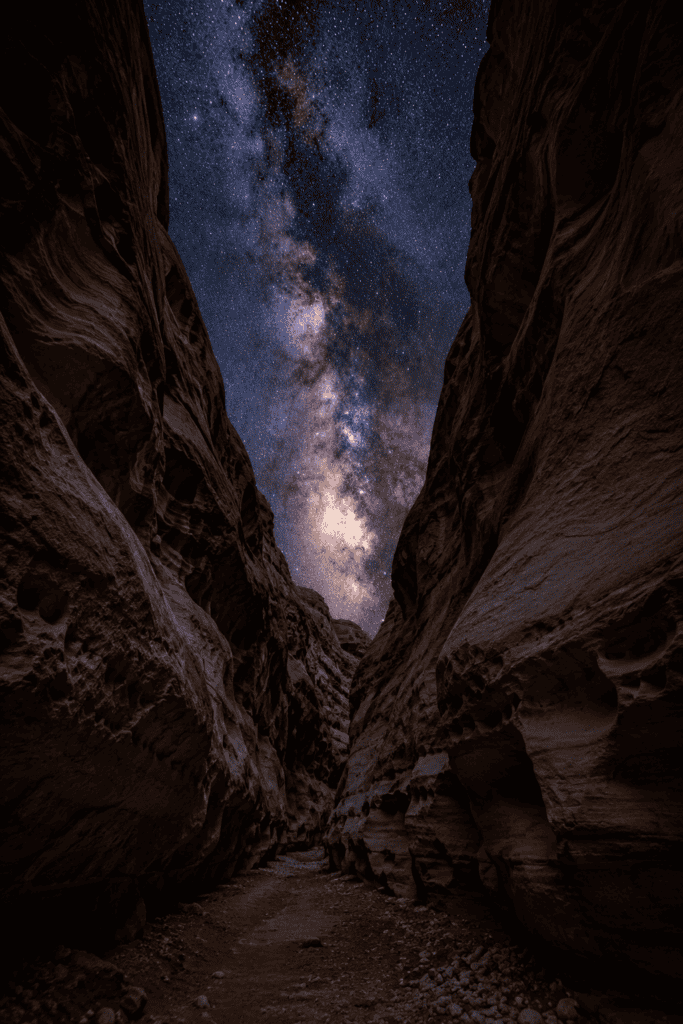
Utah is one of the world’s premier destinations for Milky Way photography. The state’s red rock formations, arches, canyons, and desert landscapes naturally complement the night sky.
Arrive before sunset to scout compositions. Many of Utah’s most famous photography locations become difficult to navigate safely after dark, so planning ahead is essential.
Use a sturdy tripod, manual focus, and a wide-angle lens. Include recognizable foreground elements whenever possible to create images that capture both the landscape and the night sky.
If you are new to night sky photography, our Astrophotography section covers camera settings, equipment, and beginner-friendly techniques.
Planning a Milky Way Trip in Utah
The most successful Utah stargazing trips begin with careful timing. Choose a month between April and September, identify a new moon period, and then select your destination.
Bring extra layers, water, navigation tools, and a red-light flashlight. Many of Utah’s best stargazing locations are remote, and temperatures can drop quickly after sunset.
If you’re comparing destinations throughout the Southwest, our guide to Best Time to See the Milky Way in Arizona provides another excellent option for planning a dark sky adventure.
For broader destination research, browse our Stargazing Locations guides or explore certified Dark Sky Parks across the United States.
Frequently Asked Questions
What is the best month to see the Milky Way in Utah?
June, July, and August are generally considered the strongest months, although May and September can also provide excellent viewing conditions.
Is Bryce Canyon good for Milky Way viewing?
Yes. Bryce Canyon is widely regarded as one of the best stargazing destinations in North America.
Can you see the Milky Way from Arches National Park?
Yes. Arches offers excellent dark sky conditions and dramatic photography opportunities during peak Milky Way season.
Do you need a telescope to see the Milky Way in Utah?
No. The Milky Way is best appreciated with the naked eye from a dark location.
What moon phase is best for Milky Way viewing?
New moon periods generally provide the darkest skies and the best visibility.
What is the darkest place in Utah?
Several locations qualify, but Natural Bridges, Canyonlands, Bryce Canyon, and remote southern Utah regions are among the darkest.
Is Utah better than Arizona for Milky Way photography?
Both states are outstanding. Utah offers unique red rock landscapes, while Arizona provides desert environments, canyons, and iconic cactus scenery.
Can beginners see the Milky Way in Utah?
Yes. Utah’s dark skies make it one of the easiest states for beginners to experience the Milky Way for the first time.
Plan your trip within five nights of the new moon and choose Bortle 1–3 locations for the best Milky Way visibility.