Cherry Springs State Park Stargazing Guide
Cherry Springs State Park is widely considered the premier stargazing destination in the northeastern United States. Located in Pennsylvania’s remote […]
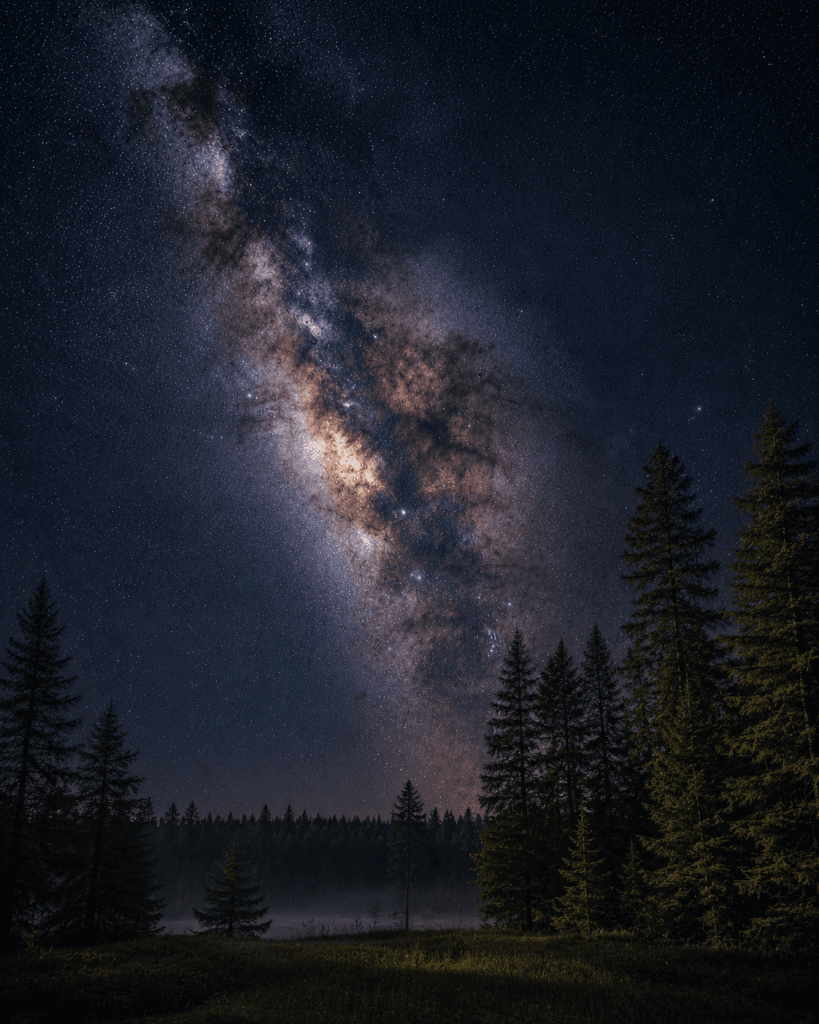
Cherry Springs State Park is widely considered the premier stargazing destination in the northeastern United States. Located in Pennsylvania’s remote Potter County, the park is famous for its exceptionally dark skies, dedicated astronomy facilities, and outstanding Milky Way visibility.
Unlike many dark sky locations found in the deserts of the American West, Cherry Springs demonstrates that world-class astronomy conditions can also be found in the eastern United States. On clear nights, visitors can see thousands of stars, the Milky Way stretching across the sky, bright planets, meteor showers, and even distant galaxies through telescopes.
For astronomy enthusiasts living in the Northeast, Cherry Springs State Park remains one of the most accessible and rewarding dark sky destinations in North America.
Why Cherry Springs State Park Is Famous for Stargazing
Cherry Springs has earned an international reputation thanks to its exceptionally dark skies and commitment to astronomy.
- International Dark Sky Park designation
- Dedicated Astronomy Observation Field
- Minimal regional light pollution
- High elevation for the region
- Excellent Milky Way visibility
- Popular astronomy events and star parties
The park’s remote location within the Pennsylvania Wilds helps preserve naturally dark skies throughout the year.
Visitors interested in additional astronomy destinations can also explore other Dark Sky Parks across the United States.
Best Time to Visit Cherry Springs for Stargazing
Spring
Spring marks the return of Milky Way season and often provides excellent viewing conditions before summer humidity arrives.
Summer
Summer is the most popular season for astronomy visitors. The Milky Way core becomes highly visible and major astronomy events are frequently held during this period.
Travelers planning a northeastern astronomy trip should review our Milky Way Viewing Calendar USA.
Fall
Fall combines cooler temperatures with excellent atmospheric transparency, making it a favorite season among experienced observers.
Winter
Winter offers exceptionally dark skies and long nights, providing outstanding opportunities for observing constellations and deep-sky objects.
Best Stargazing Locations in Cherry Springs State Park
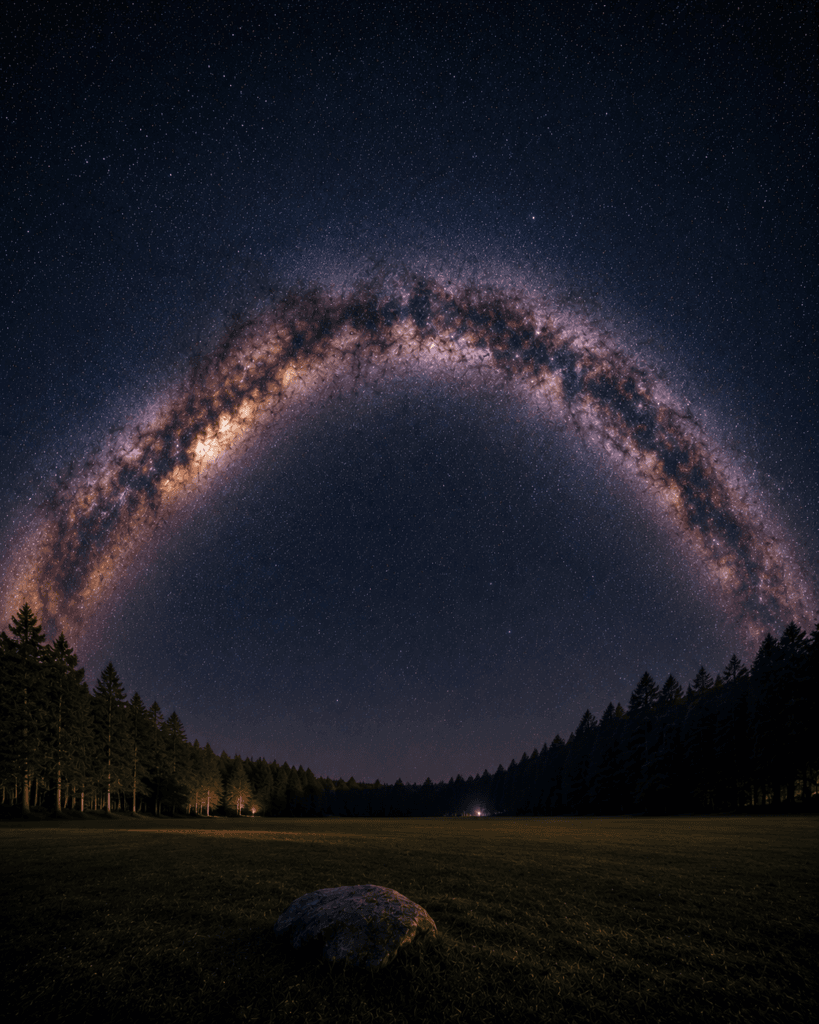
Astronomy Observation Field
The Astronomy Observation Field is the park’s most famous feature and is specifically designed for serious astronomical observation.
Night Sky Public Viewing Area
This section of the park is ideal for casual visitors who want to experience dark skies without bringing advanced equipment.
Dark Sky Viewing Area
Several designated viewing locations throughout the park provide excellent opportunities for stargazing and astrophotography.
Nearby Pennsylvania Wilds Region
The surrounding region also offers additional dark sky opportunities away from major population centers.
Milky Way Viewing at Cherry Springs
Cherry Springs State Park is one of the best locations in the eastern United States for viewing the Milky Way. The viewing season generally runs from March through October, with peak visibility occurring between June and August.
On moonless nights, the galactic core becomes highly visible and stretches dramatically across the sky above the surrounding forests.
For seasonal visibility planning, review our Milky Way Viewing Calendar USA.
Astrophotography Opportunities
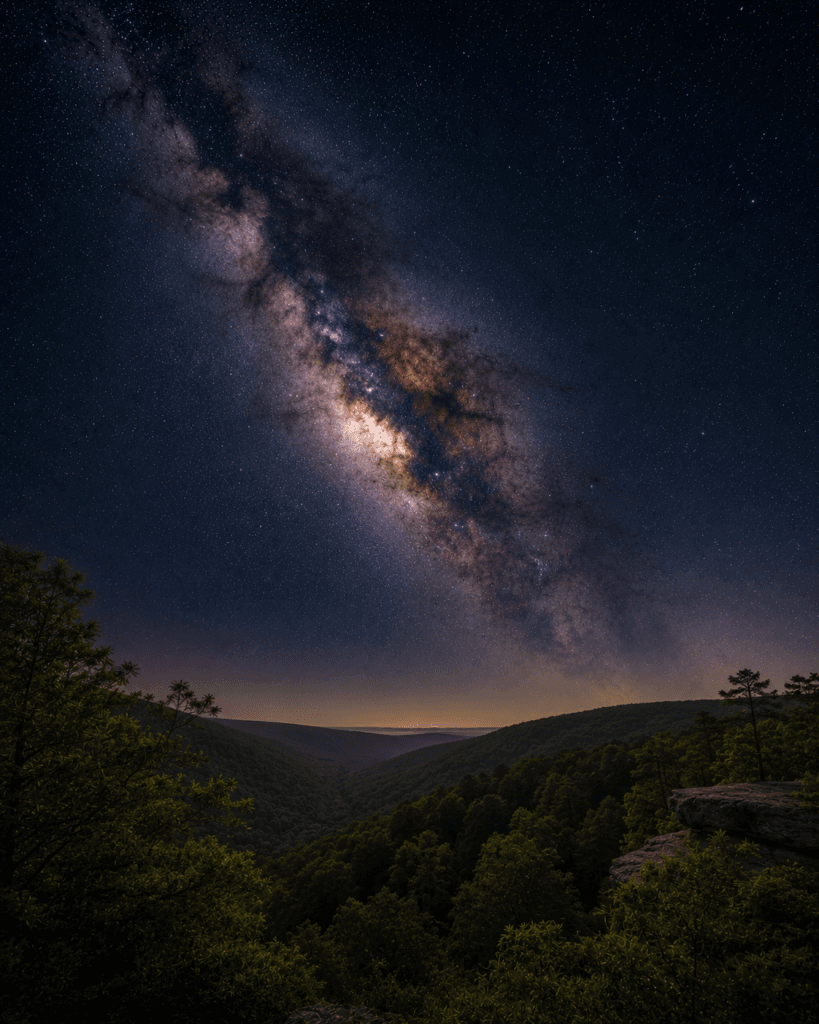
Cherry Springs is a bucket-list destination for astrophotographers across North America.
- Milky Way above Pennsylvania forests
- Star trail photography
- Deep-sky imaging
- Meteor shower photography
- Wide-field night landscapes
The combination of dark skies and dedicated astronomy infrastructure makes the park ideal for both beginner and advanced photographers.
Additional photography techniques can be found in our Astrophotography category.
Meteor Shower Viewing
Cherry Springs offers exceptional visibility during major annual meteor showers.
- Perseids
- Geminids
- Orionids
- Leonids
Dark skies allow significantly more meteors to become visible compared to suburban or urban locations.
Annual forecasts and peak dates are available in our Meteor Showers section.
Stargazing Tips
- Use only red-light flashlights
- Check moon phases before visiting
- Dress for cooler nighttime temperatures
- Arrive before sunset
- Bring binoculars or a telescope if available
- Allow time for dark adaptation
Because the park is a popular astronomy destination, planning ahead is recommended during peak Milky Way season.
Is Cherry Springs State Park Worth Visiting?
Absolutely. Cherry Springs State Park offers some of the darkest skies east of the Mississippi River and remains one of the most respected astronomy destinations in North America.
For travelers comparing regional dark sky destinations, Cherry Springs delivers a world-class experience without requiring a trip to the deserts of the western United States.
Frequently Asked Questions
Is Cherry Springs State Park an International Dark Sky Park?
Yes. Cherry Springs State Park is officially recognized as an International Dark Sky Park.
When is the best time to see the Milky Way?
The best viewing period generally runs from June through August.
Do I need a telescope?
No. The Milky Way and thousands of stars are visible with the naked eye under clear conditions.
What is the best place to observe the night sky?
The Astronomy Observation Field is the park’s most popular and well-equipped stargazing location.
Plan your trip within five nights of the new moon and choose Bortle 1–3 locations for the best Milky Way visibility.