Milky Way Viewing Calendar USA
Seeing the Milky Way is one of the most memorable night sky experiences in the United States, but timing matters. […]
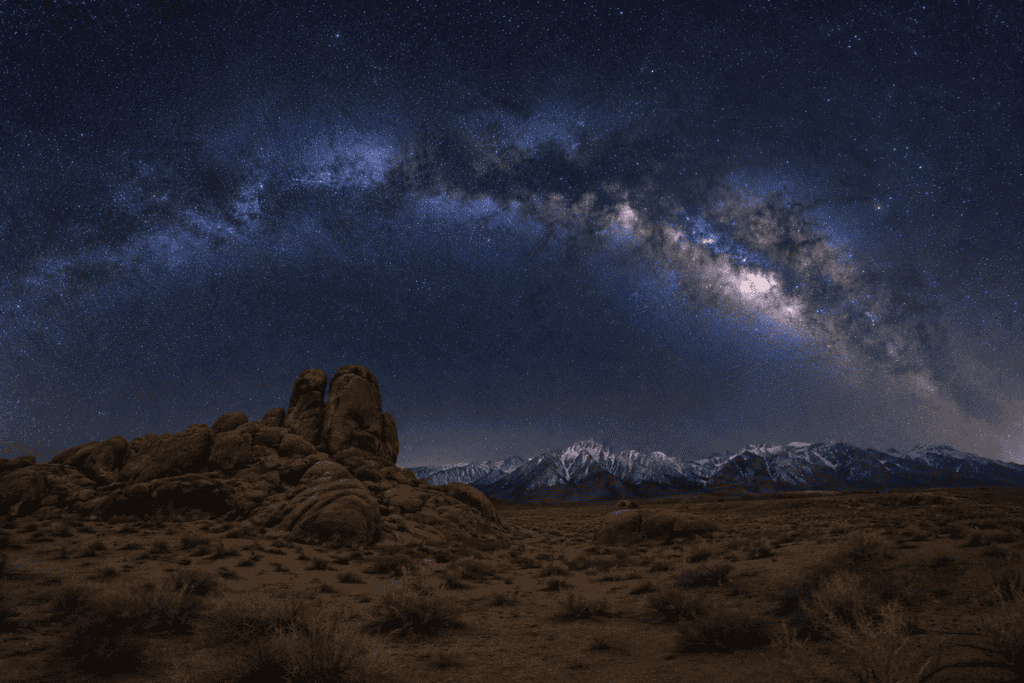
Seeing the Milky Way is one of the most memorable night sky experiences in the United States, but timing matters. The Milky Way is not equally visible every night of the year. Season, moon phase, weather, latitude, light pollution, and your viewing location all affect what you can see.
This Milky Way viewing calendar helps you understand the best months to see the Milky Way in the USA, when the galactic core is most visible, and how to plan a successful stargazing trip around dark skies and moonless nights.
If you are still choosing where to go, start with our Stargazing Locations guides. For protected night sky destinations, explore Dark Sky Parks. If your main goal is planning around the Milky Way specifically, this guide is the central starting point for our Milky Way Viewing cluster.
When Is Milky Way Season in the USA?
In most of the United States, the most useful Milky Way viewing season runs from late winter through early fall, with the strongest viewing months usually falling between April and September. During this period, the bright central region of the Milky Way, often called the galactic core, becomes easier to see during nighttime hours.
The exact timing changes depending on where you are. Southern states generally get more favorable views earlier in the season, while northern states may have shorter viewing windows and more limited angles. The western United States is especially strong for Milky Way viewing because it has large areas with low light pollution, dry air, desert landscapes, and high-elevation viewpoints.
The best Milky Way nights usually combine three things: a dark location, clear weather, and a moon phase close to the new moon.
Milky Way Viewing Calendar by Month
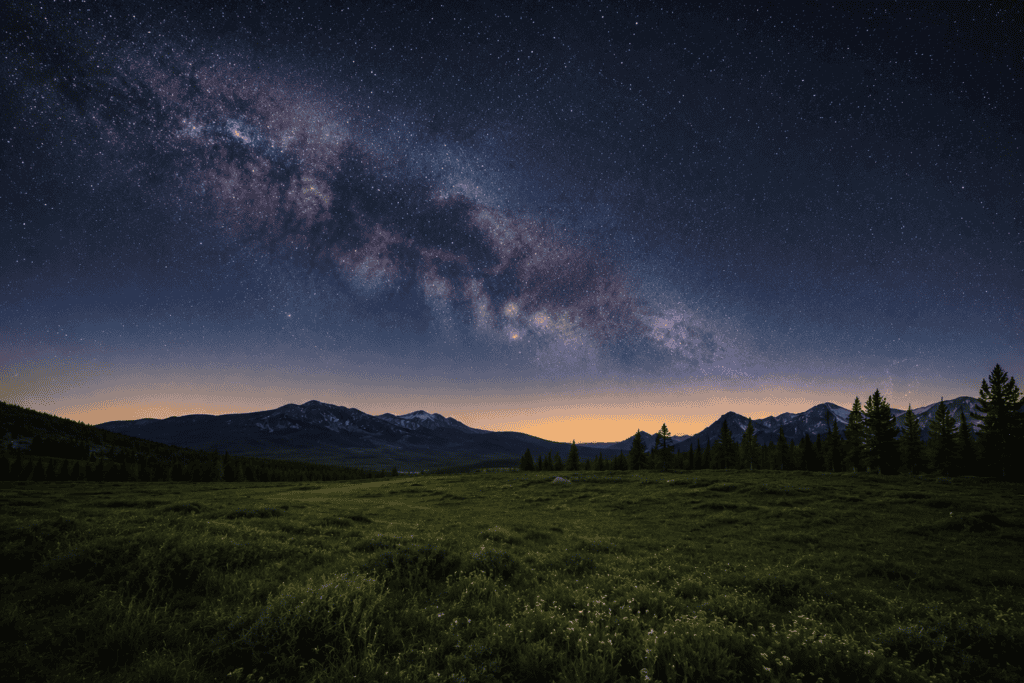
| Month | Milky Way Visibility | Best Use |
|---|---|---|
| January | Limited | Good for winter constellations, not ideal for the core |
| February | Early morning visibility begins | Possible for dedicated early risers in darker southern locations |
| March | Improving | Good early-season planning month |
| April | Good | Strong start for Milky Way trips in the Southwest |
| May | Very good | One of the best months for spring Milky Way viewing |
| June | Excellent | Peak season for many locations |
| July | Excellent | Great visibility, especially around new moon |
| August | Excellent | Strong Milky Way and meteor shower overlap |
| September | Very good | Excellent early evening viewing in many places |
| October | Moderate | Late-season viewing possible after sunset |
| November | Limited | Core visibility fades for most viewers |
| December | Limited | Better for winter sky observation than Milky Way core viewing |
Best Months to See the Milky Way
For most travelers in the United States, the strongest Milky Way viewing months are May, June, July, August, and September. These months offer better nighttime visibility of the galactic core and often align well with outdoor travel, camping, national park visits, and dark sky road trips.
April can also be excellent, especially in places like Arizona, New Mexico, Utah, Texas, and southern California. October may still work in some regions, but the viewing window becomes shorter and the Milky Way core sets earlier in the evening.
If you are planning a dedicated trip, aim for a new moon window during one of the peak months. A beautiful location can still disappoint if the full moon is bright enough to wash out the sky.
How Moon Phases Affect Milky Way Visibility
Moon phase is one of the biggest factors in Milky Way visibility. Even in a remote dark sky location, a bright moon can reduce contrast and make the Milky Way much harder to see.
The best nights are usually:
- New moon nights
- One to three nights before new moon
- One to three nights after new moon
- Nights when the moon sets before your main viewing window
A full moon does not mean you cannot enjoy stargazing, but it is usually not ideal for seeing the Milky Way clearly. For the strongest experience, plan your trip around moonless skies.
Best States for Milky Way Viewing
The best states for Milky Way viewing usually combine low light pollution, dry weather, wide-open landscapes, and accessible public lands. Western and southwestern states often perform especially well.
Some of the strongest states for Milky Way viewing include Arizona, Utah, New Mexico, Colorado, Texas, Nevada, California, Wyoming, Montana, and Oregon. These states offer desert viewpoints, mountain passes, national parks, dark sky communities, and remote public lands where the night sky can be dramatically darker than in urban areas.
Many of these destinations overlap with certified dark sky areas and remote travel routes. For trip-based planning, our [Dark Sky Travel](/dark-sky-travel/) section will become the travel layer that connects night sky viewing with road trips, weekend escapes, and national park itineraries.
Best Dark Sky Locations for Seeing the Milky Way
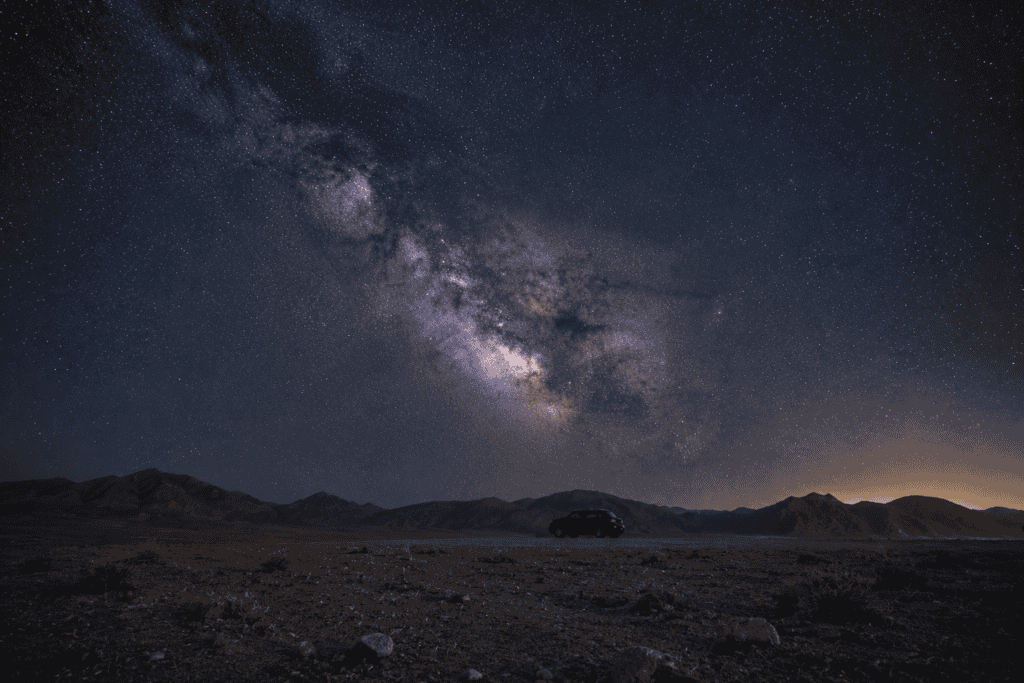
The Milky Way becomes far more impressive when viewed from a truly dark location. Dark sky parks, remote deserts, mountain viewpoints, and rural public lands can all provide strong conditions when the weather and moon phase cooperate.
Certified dark sky destinations are especially useful because they are recognized for preserving night sky quality and reducing artificial light pollution. These places are often ideal for beginners because they are already known as reliable stargazing destinations.
If you want the simplest planning path, choose a dark sky park, check the moon phase, confirm the weather, and arrive before sunset. This gives your eyes time to adjust and helps you safely choose a viewing spot before darkness falls.
Milky Way Photography Tips
Photographing the Milky Way requires more planning than simply pointing a camera at the sky. You need a dark location, stable tripod, wide-angle lens, manual focus, and the right exposure settings.
Beginner-friendly Milky Way photography usually starts with these basics:
- Use a tripod
- Shoot during or near a new moon
- Use manual focus
- Choose a wide aperture
- Use a long exposure without creating excessive star trails
- Include foreground interest such as rocks, trees, mountains, or desert shapes
For more detailed camera planning, our Astrophotography guides will cover Milky Way photography settings, beginner equipment, lenses, tripods, and editing workflows.
Can You See the Milky Way Without a Telescope?
Yes. You do not need a telescope to see the Milky Way. In fact, the Milky Way is best experienced with the naked eye because it stretches across a wide part of the sky. A telescope magnifies a narrow area, while the Milky Way is a large-scale feature that is better appreciated from a dark location with open views.
Binoculars can enhance certain star fields, but they are not required. The most important “equipment” is darkness. A clear, moonless night far from city lights will usually matter more than expensive gear.
Planning a Milky Way Stargazing Trip
To plan a strong Milky Way trip, start with the month, then the moon phase, then the location. Many beginners make the mistake of choosing a destination first and checking the moon later. A better approach is to choose a new moon window, then select a destination with strong dark sky potential.
A simple planning checklist looks like this:
- Choose a peak Milky Way month
- Check the new moon date
- Select a dark sky location
- Review the weather forecast
- Arrive before dark
- Bring warm clothing, water, and a red-light flashlight
- Give your eyes at least 20–30 minutes to adjust
If your trip overlaps with a major celestial event, you can also check our [Meteor Showers](/meteor-showers/) guides for annual meteor shower timing and viewing opportunities.
Frequently Asked Questions
What is the best month to see the Milky Way in the USA?
June, July, and August are often among the best months to see the Milky Way in the USA, though April, May, and September can also offer excellent viewing conditions in many dark sky locations.
Can you see the Milky Way without a telescope?
Yes. The Milky Way can be seen without a telescope from dark locations with low light pollution, clear skies, and little or no moonlight.
What moon phase is best for viewing the Milky Way?
A new moon or nights close to a new moon usually provide the darkest skies and the best chance of seeing the Milky Way clearly.
Where is the best place to see the Milky Way in the USA?
Some of the best places are in Arizona, Utah, New Mexico, Colorado, Texas, Nevada, and other regions with remote desert or mountain landscapes and low light pollution.
Is the Milky Way visible all year?
Parts of the Milky Way are visible at different times of year, but the bright galactic core is best viewed in the USA from late winter through early fall, with peak conditions often in spring and summer.
Plan your trip within five nights of the new moon and choose Bortle 1–3 locations for the best Milky Way visibility.